
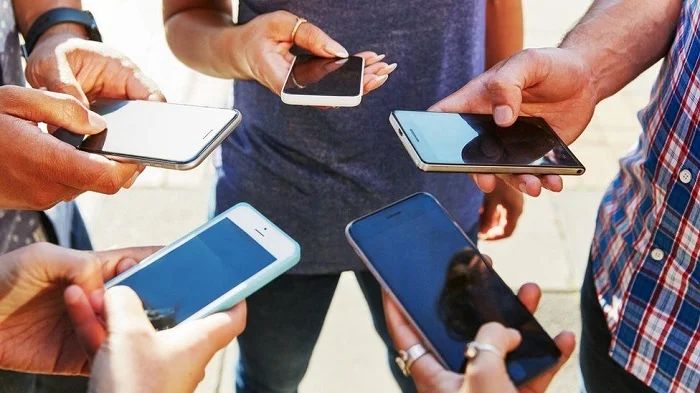
Nigeria’s smartphone sector is one of the fastest-growing in the world. According to findings from the Alliance for Affordable Internet, approximately 60% of urban Nigerians own smartphones. Although this figure is still lower compared to 97% in North America, it highlights the vast growth potential in Nigeria and similar emerging markets.
Shifting Market Dynamics
In the late 2000s, smartphones were considered luxury devices, but now, even premium brands like Apple offer entry-level models to cater to a broader audience. With the global smartphone market becoming saturated, manufacturers are not only competing with one another but also contending with a lucrative resale market. This competition has driven innovation, particularly in markets where significant growth is projected, such as Sub-Saharan Africa, Latin America, and India.
Targeting Emerging Markets
Samsung, the world’s largest smartphone manufacturer, has effectively leveraged this approach by creating budget-friendly devices aimed at these high-growth regions. This strategy has paid off, particularly in Africa, where Samsung once dominated the market. However, Chinese brands like Itel and TECNO have increasingly gained ground by offering even more competitively priced smartphones. By 2021, TECNO overtook Samsung as the leading brand in Africa, signaling a shift in consumer preference.
In Nigeria, Samsung, Itel, and TECNO are popular brands, competing with Apple, which has a strong foothold due to its aspirational brand image. Nigeria, being the wealthiest Sub-Saharan nation by per capita income, has seen robust sales of Apple products. This is a sign of the country’s evolving smartphone market maturity, similar to trends seen in India, where Apple’s market share is growing at around 2% annually after years of limited success.
Smartphones for Entertainment: Gaming and Streaming
Gaming Boom
Smartphones in Nigeria are increasingly being used for more than just communication, with mobile gaming becoming a major driver of smartphone adoption. Across Africa, gaming is experiencing rapid growth, and Nigeria ranks third in terms of the percentage of its population engaging in mobile gaming, with 23% of Nigerians identified as gamers. By 2021, the number of gamers in Sub-Saharan Africa had grown from 77 million in 2015 to 186 million, reflecting a 23% year-on-year growth rate.
Mobile gaming is especially appealing because of the diverse range of games available, from casual titles to high-quality, console-level games like Genshin Impact. This increasing focus on gaming is a crucial driver of smartphone sales, particularly as gaming on mobile devices is often the only dedicated gaming experience for many users in the region.
Streaming Services
In addition to gaming, content streaming on smartphones is gaining momentum in Nigeria. As mobile data connectivity improves, more Nigerians are turning to their smartphones to watch movies, TV shows, and live sports. While streaming platforms like Netflix are still in the early stages of adoption in Nigeria due to infrastructure challenges, the demand is clearly there. According to Techpoint Africa, Netflix’s 2019 revenue report indicated that Nigeria had fewer than 50,000 subscribers at the time. However, with growing smartphone ownership, streaming service subscriptions are expected to rise, especially as access to services like Netflix, Amazon Prime, and Disney+ becomes easier.
Looking Ahead: The Future of Nigeria’s Smartphone Market
Nigeria’s smartphone market offers significant opportunities for manufacturers, particularly those targeting budget-conscious consumers in emerging markets. As smartphone ownership grows, driven by entertainment uses like gaming and streaming, brands that continue to offer affordable, feature-rich devices stand to capture a growing share of this dynamic market. Additionally, improvements in mobile infrastructure will further propel the demand for smartphones, streaming services, and mobile gaming, making Nigeria a key market to watch in the coming years.