
Authorities in the United States have secured multiple convictions in a massive international email fraud scheme that defrauded over 1,000 victims across 19 countries of approximately $215 million, with several Nigerians identified among the ring leaders.
In a statement released by prosecutors, 25 individuals were convicted on April 24 for their roles in the sophisticated cybercrime operation, widely known as business email compromise (BEC)—a scheme that targets individuals and businesses through deceptive email communications.
Among those convicted are Nigerian nationals, including Emmanuel Okereke, Olalekan Bashiru, Jeremiah Agina, and Ademola Balogun, alongside several naturalised US citizens of Nigerian descent. Another defendant, Oluwafemi Awoyemi, is facing a separate trial linked to the same network.
Court documents revealed that the syndicate hacked into email accounts and closely monitored victims’ communications to gather sensitive financial information. Using this intelligence, they sent carefully crafted emails posing as legitimate business requests, tricking victims into transferring funds.
Investigators said the group deployed a complex network of fraudulent bank accounts and money transfer systems to launder proceeds. In one instance, a victim company transferred $2.7 million into a shell account controlled by the fraudsters.
A significant portion of the stolen funds—about $50 million—was converted into cashier’s cheques and processed through a Chicago-area financial service business, where a co-defendant allegedly facilitated transactions using false identities and shell companies.
The scam had a global footprint, with victims identified across countries including the United Kingdom, Germany, Canada, Australia, the United Arab Emirates, and others, highlighting the far-reaching impact of cyber-enabled financial crimes.
Authorities also seized assets linked to the operation, including luxury watches, cash, cryptocurrency, and a multimillion-naira equivalent residential property in Georgia.
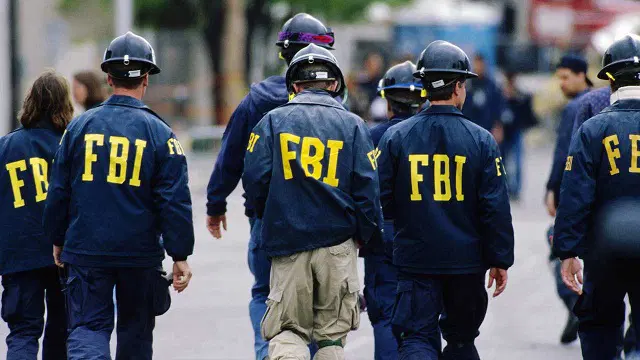
The investigation was led by the Federal Bureau of Investigation, alongside the US Postal Inspection Service and border enforcement units.
Prosecutors said sentencing for the convicted individuals will be determined by the court, taking into account their roles in the scheme and prior criminal records.
The case underscores growing global concerns over business email compromise fraud, which continues to evolve as one of the most financially damaging forms of cybercrime worldwide.