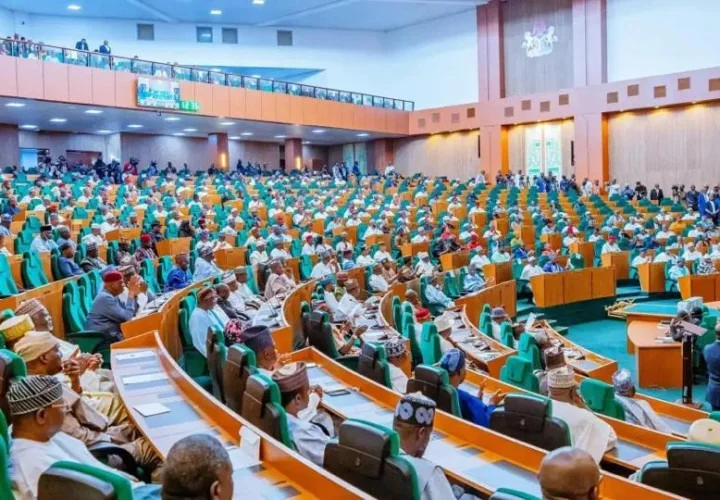
There are strong indications that contractors owed by the Federal Government of Nigeria may soon begin to receive long-awaited payments, as members of the House of Representatives Nigeria signal that disbursements could commence within days.
Lawmakers disclosed that funds earmarked in the 2026 Appropriation Act to clear outstanding liabilities may be released as early as this week, offering relief to contractors who executed capital projects under the 2024 budget.
The Federal Government had set aside N1.8 trillion to settle the debt backlog, including N1.7 trillion for 2024 capital projects and an additional N100 billion for other local contractor obligations.
While legislators declined to specify how much would be paid in the initial phase, they expressed cautious optimism that the prolonged delay in settling verified debts may finally be addressed.
A member of the House, Sada Soli, confirmed awareness of the planned payments but noted that details on the scale and timeline of disbursement remain unclear.
Similarly, Ikenga Ugochinyere said the delay has significantly impacted constituency projects and eroded public confidence in lawmakers, as many projects remain incomplete due to non-payment.
Another lawmaker, Terseer Ugbor, expressed frustration over repeated assurances that have yet to materialise, though he acknowledged fresh indications that payments could begin soon.
The payment crisis dates back to the 2024 fiscal cycle, when hundreds of contractors executed government-backed projects, including constituency and zonal intervention initiatives. Despite completing many of these projects, contractors have struggled to receive payment, leading to mounting financial strain.
The situation worsened in 2025, with several promises from key government officials failing to translate into actual disbursements, further delaying project completion nationwide.
The backlog has also sparked protests by affected contractors, who accused the government of neglect and warned of the impact on local businesses, many of which relied on loans to finance public works.
Analysts say the anticipated payments could help revive stalled infrastructure projects, restore contractor confidence, and stimulate economic activity if fully implemented.