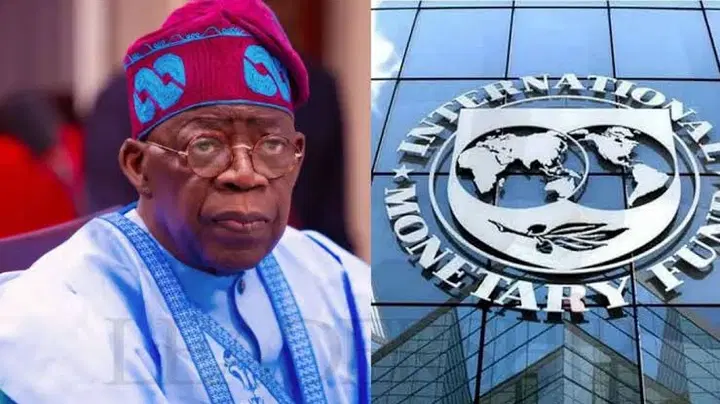
The International Monetary Fund (IMF) has warned that Nigerians may face worsening economic conditions in the near term as rising food and transportation costs continue to squeeze household incomes.
The warning comes amid persistent global shocks and geopolitical tensions, which are already driving up the cost of living across Nigeria and other emerging economies.
Speaking at the IMF/World Bank Spring Meetings in Washington, D.C., the Director of the IMF’s African Department, Abebe Selassie, said the impact of the current global crisis is being strongly felt, particularly through higher transport and food prices.
He noted that rising transportation costs are affecting both urban and rural populations, leading to increased food prices and wider economic disruption.
“We are already seeing quite a bit of a pinch… it is making life difficult for people,” Selassie said.
Oil price surge offers mixed outlook
Despite the pressure on households, Nigeria could see a boost in government revenue as crude oil prices surge above $113 per barrel, significantly higher than the $60 benchmark in the 2026 budget.
Key Nigerian crude grades, including Brass River and Qua Iboe, have climbed sharply amid uncertainty surrounding tensions in the Middle East and ongoing negotiations between the United States and Iran.
Analysts say sustained high oil prices could improve fiscal inflows, but may also lead to higher domestic fuel and transport costs, ultimately worsening inflationary pressures.
Debt concerns persist
The IMF also flagged concerns over Nigeria’s rising debt profile, projecting that the country’s debt-to-GDP ratio could increase to 33.1 percent by 2027.
Recent data shows Nigeria’s total public debt rose to N159.27 trillion at the end of 2025, underscoring mounting fiscal pressures despite ongoing reforms.
Selassie emphasised the need for prudent debt management, noting that the focus should be on maintaining sustainability relative to the country’s repayment capacity.
Call for reforms and targeted spending
The IMF urged the Nigerian government to sustain economic reforms, improve revenue mobilisation, and prioritise critical spending areas despite limited fiscal space.
It also called for better tax systems, more efficient public spending, and stronger engagement with stakeholders to navigate the current economic challenges.
According to the Fund, maintaining reform momentum will be crucial to cushioning the impact of global shocks and ensuring long-term stability.
Rising costs threaten households
Experts warn that while higher oil prices may boost government earnings, the benefits could be offset by rising fuel, transport, and food costs, further straining Nigerian households.
The IMF reiterated its readiness to support countries facing economic headwinds, stressing the importance of balanced policies that protect vulnerable populations while sustaining growth.