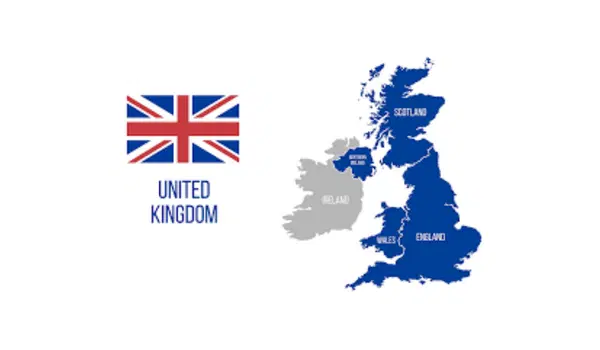
The United Kingdom has rolled out sweeping changes to its asylum system, introducing stricter rules aimed at reducing migration and discouraging irregular arrivals.
The reforms, which took effect on March 2, were confirmed by the Home Office, marking one of the most significant overhauls of the country’s refugee policy in recent years.
Key Changes to Asylum Policy
Under the new framework, refugee status will no longer be permanent. Instead, both adults and their children will be granted temporary protection, subject to review every 30 months.
According to the Home Office, individuals who still face danger in their home countries will have their protection renewed, while those from countries deemed safe will be expected to return.
However, unaccompanied minors will be treated differently, retaining protected status for up to five years while the government develops a long-term policy for this group.
Government’s Position
Home Secretary Shabana Mahmood defended the reforms, arguing that the previous system was overly generous and may have encouraged risky migration routes.
She said the changes are designed to remove “pull factors” that drive people to undertake dangerous journeys and to disrupt human trafficking networks.
Political and Public Reaction
The policy shift comes amid growing political pressure, including rising support for Reform UK, led by Nigel Farage, which has advocated tougher immigration controls.
However, the reforms have drawn criticism from humanitarian groups and some members of Prime Minister Keir Starmer’s Labour Party, who warn that the changes could destabilise the lives of refugees already settled in the country.
Further Measures Under Consideration
Additional proposals—such as extending the wait time for permanent residency from five years to 20 years—are still under review and will require parliamentary approval before implementation.
The UK government said aspects of the policy were influenced by Denmark, which has significantly reduced asylum applications after tightening its immigration system.
Rising Asylum Numbers
The reforms come against the backdrop of increasing asylum claims. More than 110,000 people applied for asylum in the UK in the year ending September 2025, a 13 percent rise compared to the previous year and higher than the previous peak recorded in 2002.
Applicants largely came from countries including Pakistan, Eritrea, Iran, Afghanistan, and Bangladesh. While approvals rose slightly, rejection rates also increased, reflecting a stricter overall approach.
The latest measures signal a decisive shift in the UK’s migration policy, with authorities seeking to balance humanitarian obligations with tighter border control as political and public pressures mount.