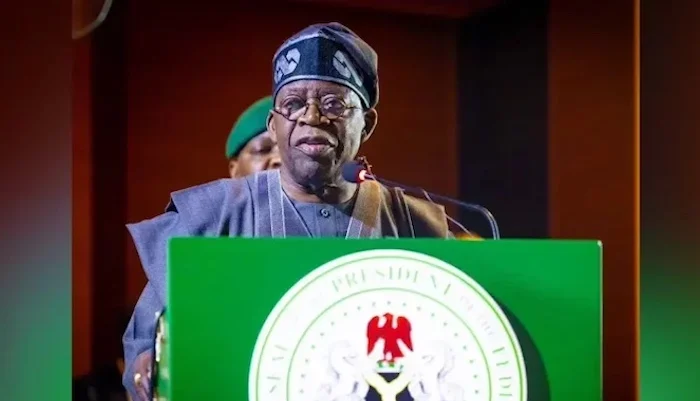
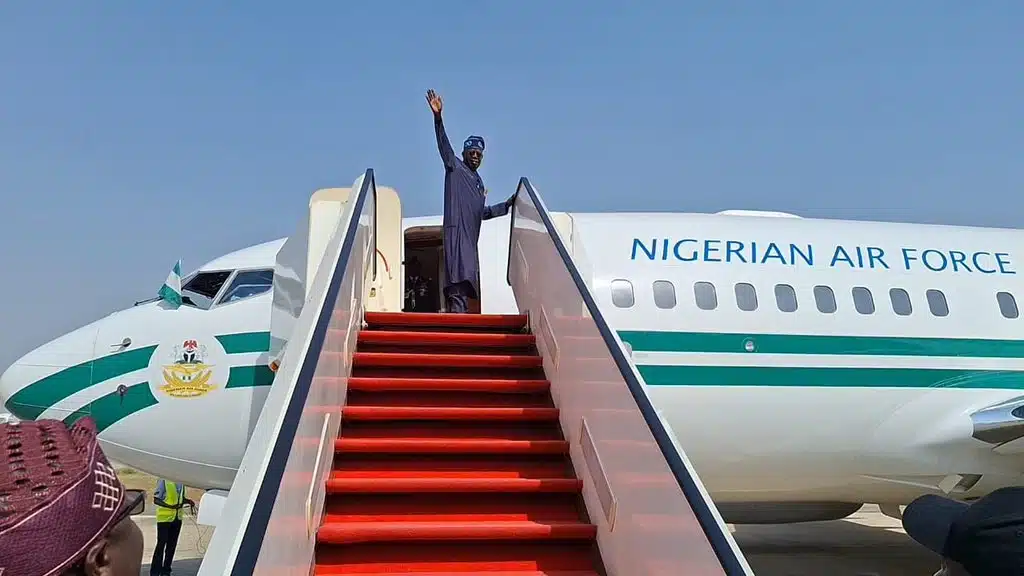
President Bola Tinubu’s recent European holiday has sparked a storm of criticism and debate across Nigeria.
At a time when the nation is grappling with a worsening security crisis, bombings in Zamfara, and whispers of foreign military involvement in the North, the commander-in-chief’s decision to travel abroad has left many Nigerians questioning his priorities.
For an administration already under scrutiny for perceived lapses in governance, this holiday is not just a vacation—it’s a political lightning rod.
Analysts and opposition figures are now asking: could this trip do more harm than good for Tinubu’s image, authority, and political legacy?
While government aides insist that the trip to Europe and the upcoming Abu Dhabi Sustainability Week Summit is part of international diplomacy, critics argue that the timing is disastrously poor.
Here are five major disadvantages that Tinubu’s administration risks facing due to this controversial holiday.
1. Erosion Of Public Trust
Trust is the cornerstone of effective leadership, and Tinubu’s absence during a national crisis risks undermining that bond.
With reports of bombings in Zamfara killing civilians and widespread insecurity in the northern states, many Nigerians see the President’s holiday as a sign of disconnect.
Critics argue that a leader who leaves the country while citizens face danger sends a message of indifference.
The perception that the government prioritizes personal leisure over national security could deepen cynicism and reduce public confidence in the administration.
2. Political Vulnerability and Opposition Exploitation
Every action of a sitting president is scrutinized, and Tinubu’s trip provides ammunition for opposition parties.
The Labour Party has already branded the holiday as “insensitive and ill-timed,” framing it as a failure of leadership.
This gives political rivals a powerful narrative: that the President is detached, unresponsive, and out of touch with the challenges Nigerians face daily.
In a volatile political landscape, such criticism could weaken Tinubu’s authority and embolden opposition campaigns in upcoming elections.
3. Security Coordination Challenges
A country under attack demands a commander-in-chief on the ground.
Tinubu’s absence raises questions about who is truly managing Nigeria’s security response. Delegating such critical responsibilities can lead to inefficiencies, slower decision-making, and miscommunication among military and intelligence agencies.
In extreme cases, foreign observers could interpret the absence of the head of state during attacks as a vacuum of leadership, potentially emboldening militant groups and external aggressors.
4. International Image vs. Domestic Reality
Attending the Abu Dhabi Sustainability Week Summit positions Tinubu on the global stage as a forward-thinking leader focused on sustainability and international partnerships.
However, this international visibility comes at the cost of domestic perception. While foreign leaders may see a confident, engaged president, Nigerian citizens are witnessing an administration seemingly inattentive to urgent security and humanitarian crises.
This duality risks creating a disconnect between Nigeria’s international image and the lived reality of its citizens, which can be politically damaging.
5. Risk of Long-Term Political Fallout
The impact of Tinubu’s holiday may not end with short-term criticism.
Historical precedents show that public outrage over perceived lapses in leadership can linger, affecting policy implementation and electoral credibility.
Analysts warn that repeated missteps—or even one highly visible miscalculation like leaving the country during a crisis—can erode political capital, limit the administration’s maneuvering room, and even influence upcoming local and national elections.
For a president seeking to solidify his legacy, the consequences could be enduring.
A Costly Vacation Or Strategic Misstep?
President Tinubu’s European holiday is more than just a personal retreat; it is a litmus test of leadership priorities.
While attending international forums is part of statecraft, timing is everything.
By stepping away during one of Nigeria’s most challenging security periods, Tinubu risks undermining public trust, empowering political opponents, complicating security coordination, and creating a disconnect between Nigeria’s domestic and international image.
Also Read: Wunmi Debunks Claims of Welcoming Baby After Mohbad’s Death
As Nigerians watch anxiously from home, the question remains: will this controversial trip be remembered as a bold international engagement, or as a reckless misstep that exposed the vulnerabilities of his administration?