President Bola Ahmed Tinubu on Wednesday delivered a firm directive to all members of his cabinet: police officers currently deployed as personal security aides to VIPs, VVIPs and ministers must be withdrawn without delay.
Addressing the Federal Executive Council (FEC) at the State House in Abuja, the President stressed that the decision was final, and he cautioned ministers against attempting to circumvent the new policy.
“If your duties genuinely require additional protection, consult the Inspector General of Police and obtain my approval,” Tinubu said.
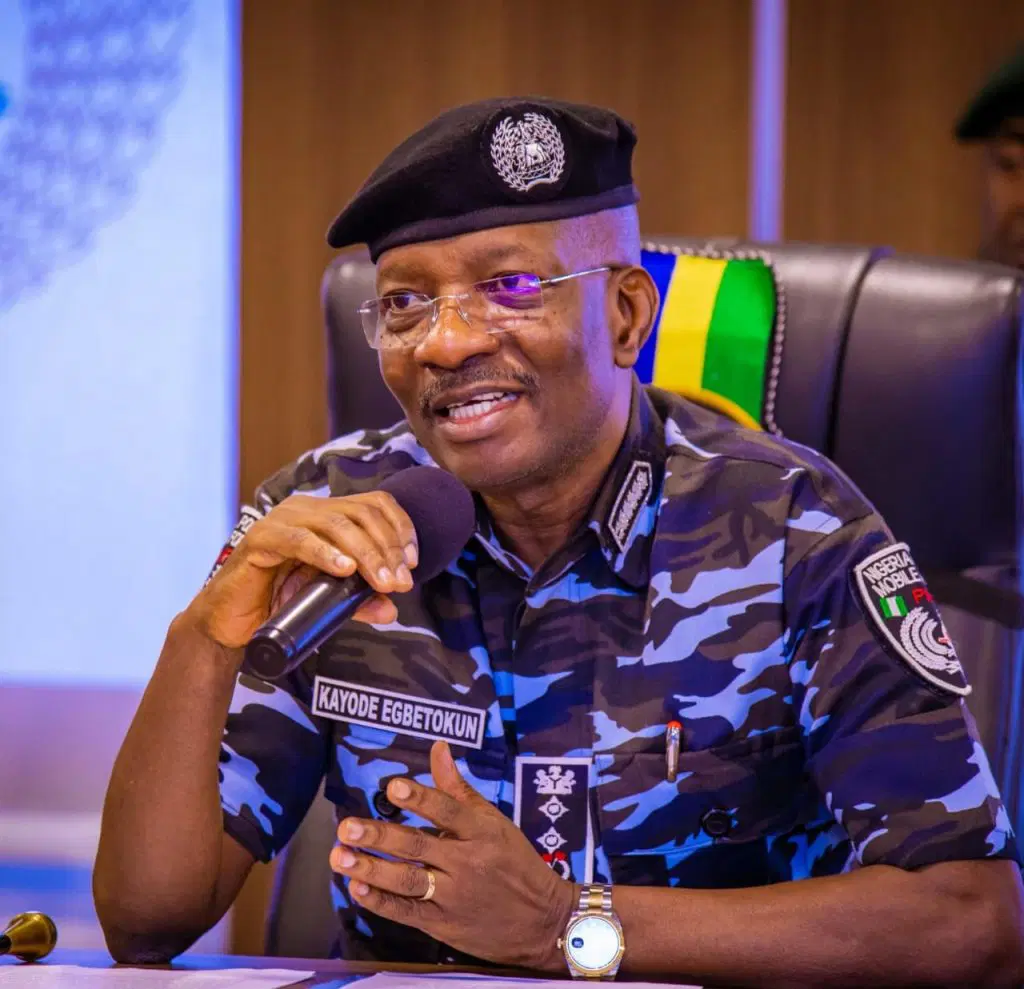
To ensure strict enforcement, the President tasked the National Security Adviser, Nuhu Ribadu; the Minister of Police Affairs, Senator Ibrahim Gaidam; and the Inspector General of Police, Kayode Egbetokun, with coordinating the full rollout of the directive.
Tinubu emphasized that the Nigeria Police Force exists primarily to safeguard ordinary citizens—especially the vulnerable—not to serve as private security for a select group of privileged individuals. As part of the new security framework, he announced that the Minister of Interior, Olubunmi Tunji-Ojo, would oversee the deployment of Nigeria Security and Civil Defence Corps (NSCDC) personnel as replacements for police officers withdrawn from VIP duties.
“The Civil Defence Corps is properly trained and equipped for VIP protection,” the President noted.
He added that freeing police personnel from VIP assignments would strengthen national security operations, enabling the force to better confront pervasive threats such as kidnapping, banditry and terrorism. While acknowledging that certain positions may require exceptions, Tinubu insisted that such cases must follow due process and receive clearance.
Turning to another urgent issue, the President directed Vice President Kashim Shettima, in his capacity as Chair of the National Economic Council, to intensify engagement with state governors on the implementation of ranching reforms aimed at resolving longstanding herder–farmer conflicts.
He further ordered the Minister of Livestock Development, Idi Muktar Maiha, to begin mobilising resources to rehabilitate grazing areas and support the rollout of modern ranching systems, particularly in communities affected by recurrent clashes.
“This reform is both an economic opportunity and a path to peace,” Tinubu said. “Land belongs to the states, and the constitutional provisions must guide everything we do.”
Also Read: ISWAP Executes Suspected Army Informants, Raids Police Officer’s Homes
According to the President, revitalising ranching infrastructure will help stabilise rural communities, protect vulnerable populations, and significantly reduce the cycle of violence between herders and farmers.