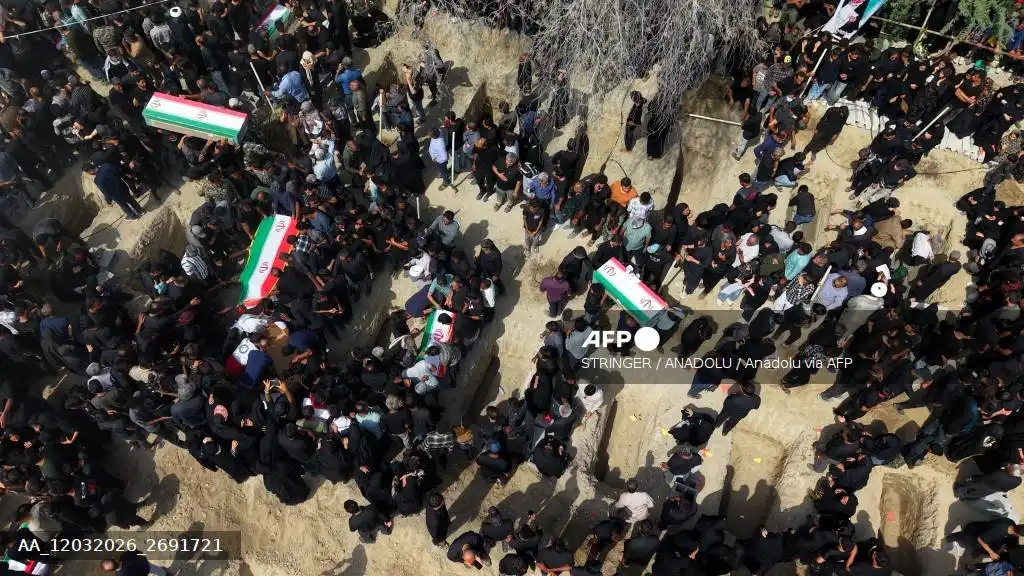
Global oil prices surged past the $100 mark on Monday while most Asian stock markets declined, as the ongoing conflict involving Iran entered its third week with no clear signs of de-escalation.
Investors reacted to escalating geopolitical tensions and concerns over global energy supplies, particularly around the strategic Strait of Hormuz, one of the world’s most important oil transit routes.
Oil spikes amid military strikes
Crude prices jumped sharply in early trading after Donald Trump said U.S. forces had struck military targets on Kharg Island, a key hub that handles the majority of Iran’s oil exports.
The U.S. president also warned that further strikes could target energy infrastructure if Iran interferes with shipping through the Strait of Hormuz, which has been effectively disrupted since U.S.–Israeli operations began on February 28.
Iranian media, including the Fars News Agency, later reported that the strikes did not damage oil infrastructure.
Diplomatic push to secure shipping route
With fears growing over the security of oil shipments, Trump urged major economies to deploy naval forces to help protect the Strait of Hormuz. He suggested countries including China, France, Japan, South Korea and the United Kingdom should participate.
However, Tokyo quickly signaled caution, saying it was not currently considering a maritime security operation, while Australia also ruled out sending naval vessels to the region.
Iran rejects talks with Washington
Meanwhile, Abbas Araghchi, Iran’s foreign minister, said Tehran was not interested in negotiating with the United States, accusing Washington of launching attacks while diplomatic talks were ongoing.
In an interview with CBS, Araghchi said Iran had not requested a ceasefire or negotiations, though he acknowledged discussions with other countries seeking assurances for the safe passage of their vessels.
Regional tensions intensify
The conflict continued to spread across the region. Saudi Arabia said its air defenses intercepted more than 60 drones overnight, while flights were briefly suspended at Dubai International Airport after a drone-related incident caused a nearby fire.
Iran also condemned Israeli strikes on fuel depots in Tehran, with Araghchi describing them as “ecocide” due to the potential long-term environmental and health risks.
Oil markets react to supply fears
Energy markets reacted sharply to the heightened risks. Brent crude climbed nearly 3 percent to $106.50 before easing to around $104, while West Texas Intermediate (WTI) rose more than 2 percent, briefly surpassing $100 per barrel.
In response to rising prices, the International Energy Agency announced that member states would release a record 400 million barrels of oil from strategic reserves to stabilize global markets.
Japan confirmed it had already begun releasing part of its emergency reserves, with the first supplies expected to reach markets in Asia and Oceania before other regions.
War timeline still uncertain
Despite hopes for a quick resolution, Kevin Hassett said Pentagon estimates suggest the conflict could last up to six weeks, though he noted that operations are currently ahead of schedule.
As the fighting continues and the Strait of Hormuz remains under pressure, analysts warn that global energy markets and financial markets could remain volatile in the weeks ahead.