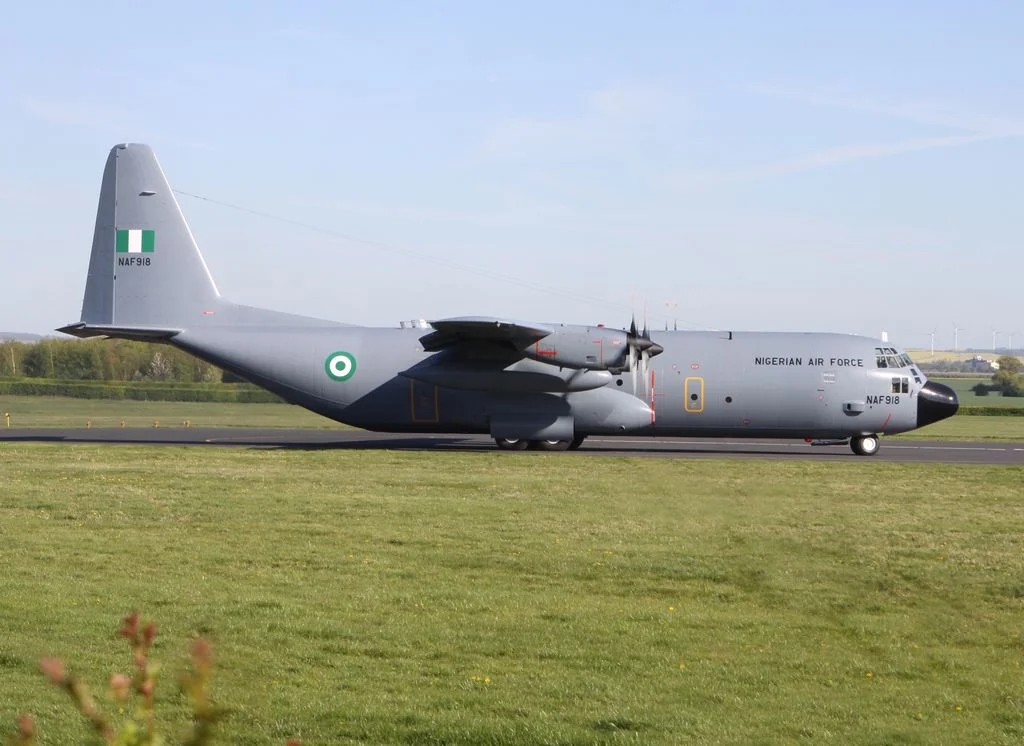
Nigeria’s Foreign Minister, Yusuf Tuggar, has confirmed that Nigerian troops aboard the C-130 military aircraft that made an emergency landing in Burkina Faso remain in the West African country.
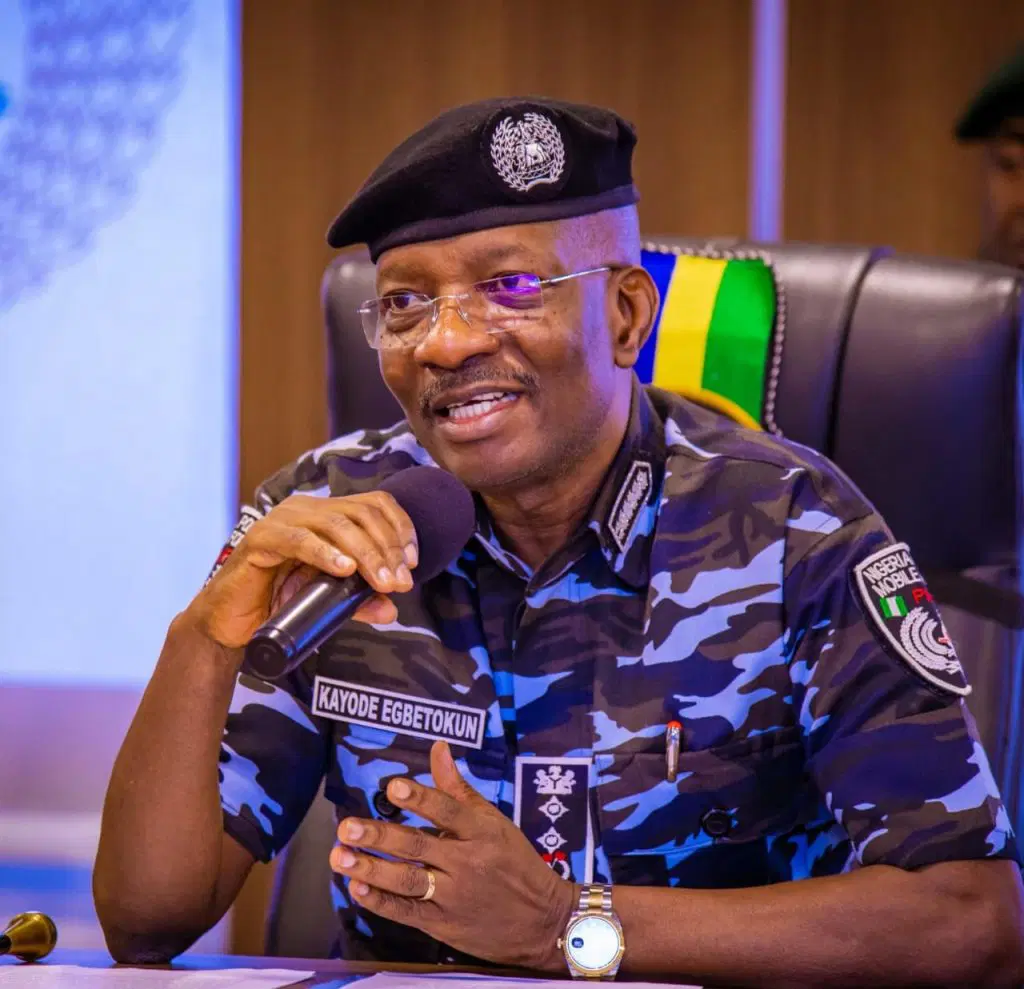
Tuggar made the disclosure on Thursday during a joint press briefing at the ECOWAS Commission in Abuja, alongside his Beninese counterpart, Olushegun Adjadi Bakari.
According to the Nigerian Air Force (NAF), the C-130 was on a ferry mission to Portugal when it experienced a technical malfunction.
The aircraft was compelled to make a precautionary landing at Bobo-Dioulasso airport in Burkina Faso, following standard aviation safety protocols. NAF spokesperson Air Commodore Ehimen Ejodame emphasized that the move was purely safety-driven and fully compliant with international aviation regulations.
However, the Confederation of Sahel States (AES)—a regional bloc comprising Burkina Faso, Mali, and Niger—accused Nigeria of violating Burkinabe airspace.
The AES described the emergency landing as an “unfriendly act in defiance of international law” and authorized member states to neutralize any unauthorized aircraft in their airspace.
Responding to questions on the status of the Nigerian soldiers, Tuggar confirmed they remain in Burkina Faso, noting that diplomatic discussions are underway to resolve the situation swiftly. He stressed that the incident is being handled “carefully and professionally” through official channels.
Beninese Foreign Minister Olushegun Bakari clarified that the emergency landing had no connection with Nigeria’s military assistance in preventing a recent coup attempt in Benin.
Tuggar reinforced this explanation, reiterating that the aircraft’s diversion was solely due to technical difficulties.
“Absolutely, the plane was on its way to Portugal when it encountered a technical problem, necessitating an emergency landing,” Tuggar said. “This is in accordance with ICAO regulations and international law. Any aircraft facing a technical issue lands at the nearest airport. It could happen to any country at any time—a Burkinabe plane might land in Nigeria tomorrow under similar circumstances.”