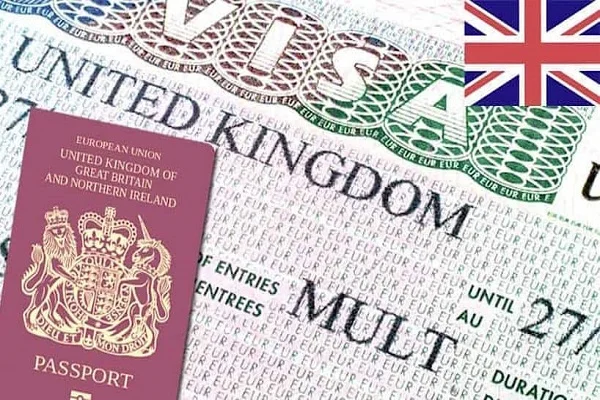
Nigeria, Jamaica and several other African and Caribbean nations could face fresh visa restrictions from the United Kingdom if the Reform UK party wins the next general election, according to party officials.
The proposed policy targets countries that have formally demanded reparations for slavery, marking a significant escalation in the political debate over historical accountability and modern immigration policy.
Policy sparks global concern
Reform UK’s Home Affairs spokesman, Zia Yusuf, defended the plan, arguing that countries pushing for reparations are overlooking Britain’s historical role in abolishing slavery.
“A growing number of countries are demanding reparations from Britain,” Yusuf said. “They ignore the fact that Britain made huge sacrifices to outlaw slavery and enforce its prohibition.”
He added that over the past two decades, the UK had issued about 3.8 million visas and provided £6.6 billion in foreign aid to such countries, insisting that “enough is enough.”
Countries reportedly affected include Nigeria, Jamaica, Kenya, Haiti, Guyana, Barbados and The Bahamas—raising concerns that citizens from these nations could face tighter entry conditions or outright visa restrictions.
Tensions rise over UN resolution
The development follows a recent United Nations resolution urging former colonial powers to provide reparations for slavery, which it described as one of the “gravest crimes against humanity.”
While the resolution gained broad international support, the UK abstained from the vote, reflecting its long-standing position against reparations.
Reform UK leader, Nigel Farage, criticised the UN stance, rejecting calls for compensation and warning against what he described as attempts to impose financial liability on Britain for historical actions.
UK maintains stance on reparations
The UK government has consistently acknowledged the atrocities of the transatlantic slave trade but ruled out both formal apologies and financial compensation.
Labour leader Keir Starmer has also dismissed the idea of reparations, stating that his focus is on the future rather than revisiting historical grievances.
Wider implications
Analysts warn that the proposed visa restrictions, if implemented, could strain diplomatic relations between the UK and several African and Caribbean nations, many of which maintain strong economic, educational and cultural ties with Britain.
The move could also impact migration flows, international cooperation and diaspora communities, particularly for countries like Nigeria with significant numbers of students and professionals in the UK.
As debates over reparations gain momentum globally, the intersection of immigration policy and historical justice is emerging as a new flashpoint in international relations.