
The Nigeria government has begun activating plans to evacuate its citizens from conflict-affected parts of the Middle East as tensions in the region continue to escalate.
The Ministry of Foreign Affairs Nigeria confirmed on Monday that it is finalising administrative procedures and arranging the release of funds to facilitate the evacuation process.
Spokesperson Kimiebi Ebienfa said preparations were already underway.
“The government is working out the necessary administrative details and the release of funds to commence evacuation,” he said.
Nigerians stranded across multiple countries
The move follows growing concerns over the safety of Nigerians in countries including Iran, Israel, the United Arab Emirates, Kuwait and Qatar, where escalating hostilities have disrupted flights and travel plans.
Officials said priority is being given to Nigerians in high-risk zones, particularly Iran and Israel, where evacuation efforts are more complex due to ongoing military activity.
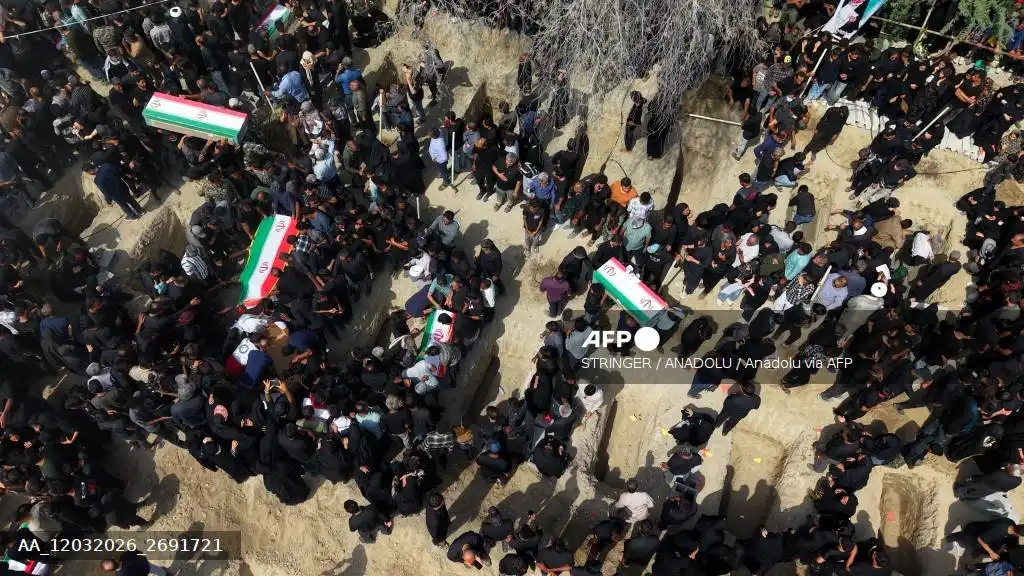
The crisis intensified after coordinated strikes by the United States and Israel on Iran on February 28, followed by retaliatory missile and drone attacks.
Logistical hurdles and evacuation options
Authorities said evacuating Nigerians from Iran presents significant logistical challenges, including moving stranded students from universities to border crossings such as Armenia and meeting entry requirements set by neighbouring countries.
The government is also exploring options such as deploying aircraft from the Nigerian Air Force, though security concerns and restricted airspace remain major obstacles.
Meanwhile, many Nigerians stranded in Qatar are reported to be transit passengers, with airlines providing temporary support.
Ebienfa confirmed that Qatar Airways has resumed some flights to Nigeria, with evacuees already arriving in Lagos from Doha, alongside others routed through Cairo and Nairobi.
UAE intercepts missiles, casualties reported
In the Gulf, the UAE Ministry of Defence said its air defence systems intercepted multiple ballistic missiles and drones launched from Iran, including nine missiles and 33 drones on March 14 alone.
Authorities reported at least six deaths and over 140 injuries, affecting residents and foreign workers from several countries, including Nigeria. One injured Nigerian has since been treated and discharged, officials said.
Iran pledges cooperation
Iran’s ambassador to Nigeria, Gholamreza Raja, said Tehran is ready to cooperate with Nigerian authorities to ensure the safe departure of its citizens.
He noted that Iran’s land borders remain open and are currently being used by foreign nationals to exit the country.
“Reports indicate that the routes are safe and can be used without difficulty,” he said, adding that several hundred Nigerians—many of them students—are currently in Iran.
Flight disruptions worsen crisis
The situation has been further complicated by aviation disruptions, with Emirates suspending all flights to and from Dubai until further notice.
The decision followed a directive from the Dubai Civil Aviation Authority amid heightened regional tensions.
Dubai, a major global transit hub, is a key route for Nigerian travellers, and the suspension has left thousands stranded or facing delays, while airlines continue to assess when it will be safe to resume operations.
Growing global impact
The ongoing conflict has forced several international airlines to reroute or suspend flights, causing widespread disruption across global travel networks.
For Nigeria, officials say the immediate focus remains on ensuring the safe return of its citizens, even as uncertainty persists over the duration and intensity of the Middle East crisis.