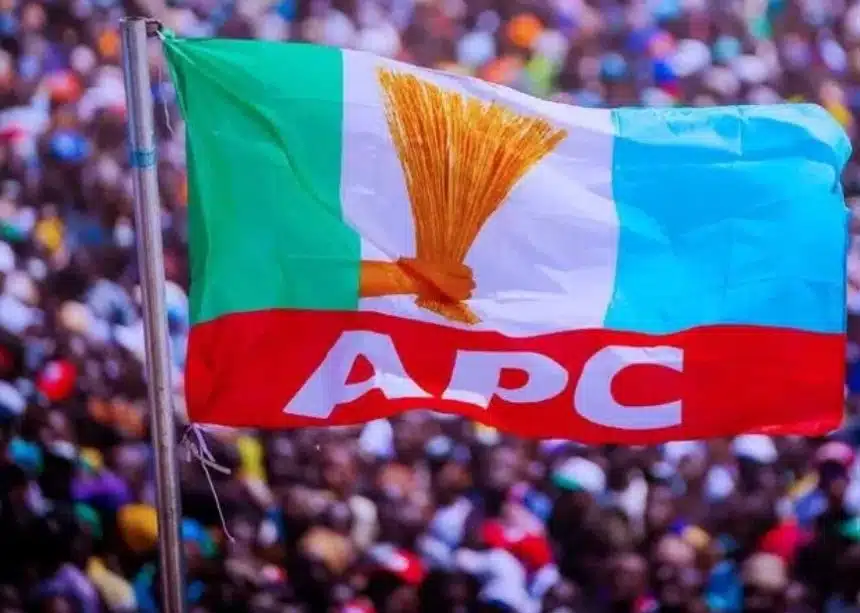
The Ebonyi State chapter of the All Progressives Congress (APC) has ignited intense public debate after announcing a ₦30 million fee for aspirants seeking the party’s ticket for local government chairmanship positions.
The decision, unveiled by the state APC Chairman, Stanley Okoro Emegha, has been widely criticised by political observers, civic organisations and residents, who say the cost effectively excludes grassroots politicians and undermines democratic participation at the local level.
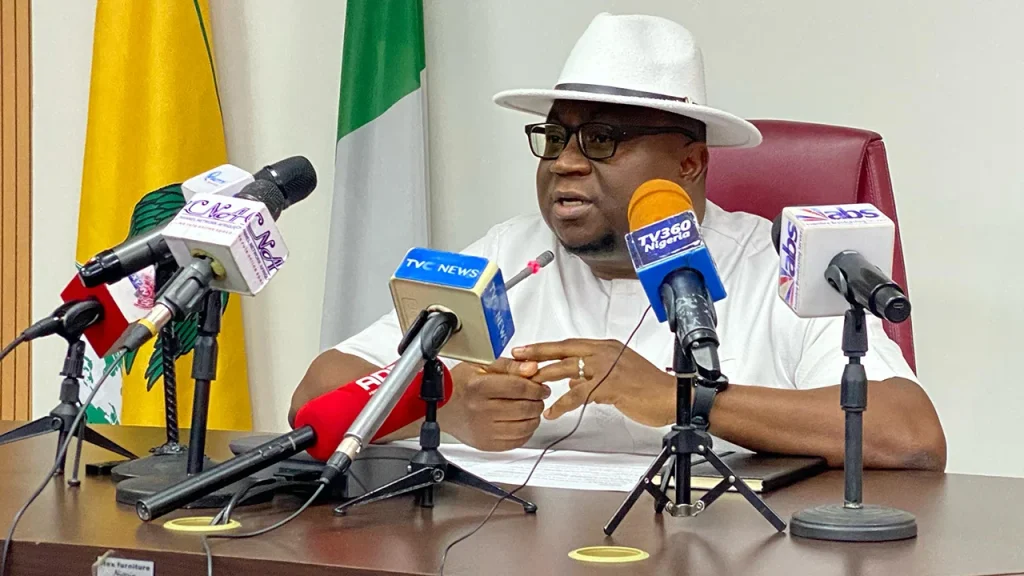
Emegha made the disclosure following a private meeting with party leaders drawn from Ebonyi’s 13 local government areas and 171 wards. He explained that the ₦30 million covers both the expression of interest and nomination forms for chairmanship hopefuls, while those contesting councillorship positions are required to pay ₦250,000.
According to the party timetable, forms for councillorship and delegate positions became available from January 8, while chairmanship aspirants are expected to purchase their forms between January 9 and January 19, in preparation for the local government elections scheduled for August 2026.
Salary Reality Raises Red Flags
The announcement has reignited long-standing concerns about the cost of politics in Nigeria, with critics pointing out that the fee dwarfs the legitimate earnings of a local government chairman.
Figures from the Revenue Mobilisation Allocation and Fiscal Commission (RMAFC) indicate that even over a full four-year term, the combined salary and allowances of an LG chairman would not amount to ₦30 million.
This disparity, analysts warn, creates dangerous incentives, as officeholders may feel pressured to misuse public funds to recoup campaign expenses, further eroding accountability and service delivery at the grassroots.
Social Media Uproar and Dynastic Politics Debate
Public reaction has been swift, particularly on social media, where many Nigerians have condemned the move as a shift from democratic competition to what they describe as “money-driven politics.” On 𝕏 (formerly Twitter), users questioned how ordinary party members could realistically compete under such financial barriers.
The debate intensified following reports that Osbourne Umahi, son of former Ebonyi State Governor and current Minister of Works, Senator David Umahi, purchased the ₦30 million form to contest the chairmanship of Ohaozara Local Government Area.
While party leaders and supporters have praised the younger Umahi as capable and forward-thinking, critics argue that his emergence highlights how steep nomination fees naturally favour wealthy families, political dynasties and aspirants with access to powerful networks.
Fears of Exclusion at the Grassroots
Opponents of the policy warn that many qualified, community-focused individuals are being priced out of the political process, weakening competition and limiting voter choice at the local level.
They argue that local councils, meant to be the closest tier of government to the people, risk becoming inaccessible to the very communities they are supposed to serve.
Some APC officials have defended the pricing, insisting it is designed to discourage unserious aspirants and streamline the selection process.
However, the backlash reflects a broader national concern over the growing commercialisation of Nigerian politics, where the cost of securing party tickets for local offices increasingly rivals those of higher political positions in the past.
You May Like: Drama in Ibadan Court as Judge Summons Prison Doctor Over Auxiliary’s Condition
For many residents of Ebonyi State, the controversy has reinforced a troubling perception: that local governance is gradually slipping out of reach of the average citizen.