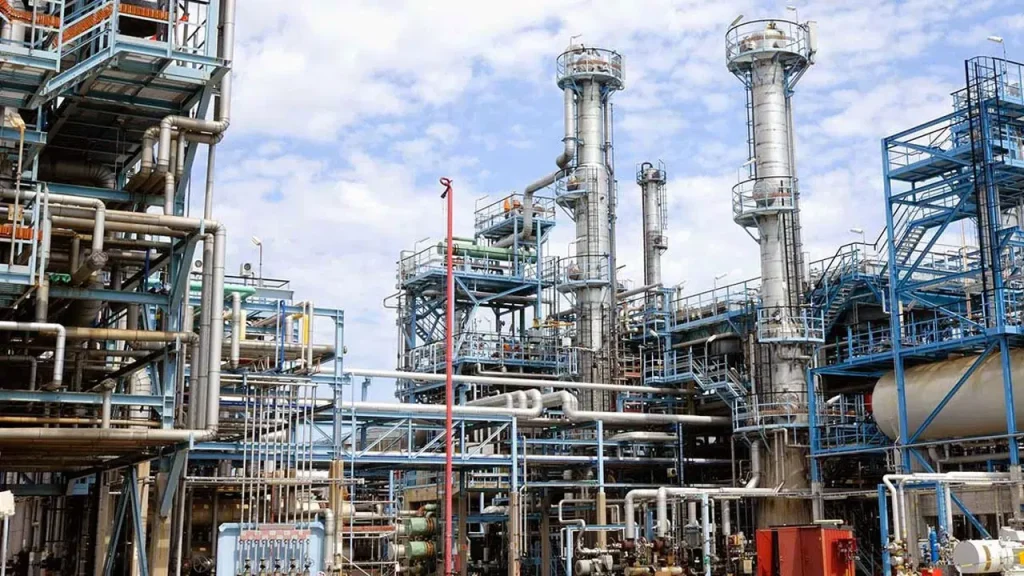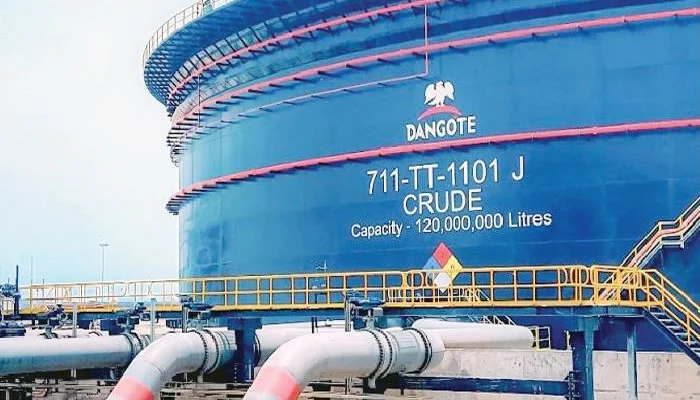
A disagreement has emerged between fuel marketers and the Dangote Petroleum Refinery over petrol pricing in Nigeria as tensions linked to the US–Iran conflict escalation 2026 continue to disrupt global energy markets.
Data released by the Major Energies Marketers Association of Nigeria (MEMAN) indicates that imported petrol is currently cheaper than locally refined fuel from the Dangote refinery.
According to MEMAN’s latest report, the landing cost of imported Premium Motor Spirit (PMS) stood at N809.37 per litre, while Dangote refinery’s gantry price was N874 per litre, representing a difference of about N64 per litre. The association also noted that imported diesel was priced at N1,125.70 per litre, compared with N1,169.42 per litre from the refinery.
However, officials of the Lagos-based refinery rejected the figures, accusing some importers of pushing a misleading narrative to sustain fuel import licences from the Federal Government.
One refinery official challenged marketers to demonstrate their claims by importing fuel despite the ongoing instability in the Middle East.
“Anybody can go to Apapa to check the landing cost. If they believe importation is cheaper, let them go and bring the products despite the airstrikes,” the official said, arguing that Nigeria should reduce its dependence on imported petroleum products.
Fuel price hike amid global tensions
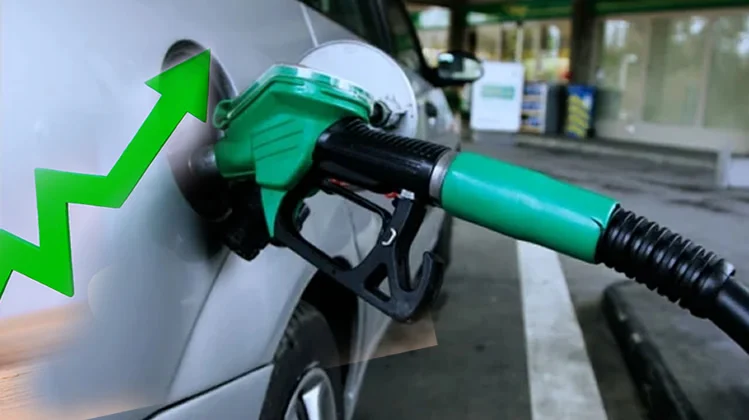
The dispute comes days after the Dangote Petroleum Refinery raised its ex-depot petrol price from N774 to N874 per litre, a N100 increase. The adjustment followed a sharp rise in global crude oil prices to about $84 per barrel, up from below $70 before hostilities intensified in the Middle East involving the United States, Iran and Israel.
The increase quickly filtered into the retail market, with some filling stations raising pump prices to as high as N937 per litre, depending on location.
Before the crisis escalated, petrol had been selling between N812 and N839 per litre at many stations.
MEMAN warned that the market remains highly volatile, noting that further increases in crude prices could push domestic petrol prices even higher.
“With Brent crude climbing above $80 per barrel due to geopolitical tensions, analysts warn that the cost of petrol remains under pressure. If crude approaches $90 per barrel, pump prices in Nigeria could reach N1,100 per litre next month,” the association said.
Dangote defends price adjustment
The refinery said the price increase was necessary due to rising crude costs and supply challenges.
According to the company, crude oil purchased for its operations now lands at between $88 and $91 per barrel, significantly higher than the $68 per barrel cost when petrol previously sold at N774 per litre.
The refinery also said it receives only five crude cargoes monthly from the Nigerian National Petroleum Company Limited, far below the 13 cargoes required to meet domestic demand. As a result, it must purchase additional crude from international traders using foreign exchange.
The company added that domestic crude producers have failed to meet supply obligations under the Petroleum Industry Act, forcing the refinery to rely more on imported feedstock.
Despite the challenges, Dangote officials said the refinery has helped shield Nigeria from a severe fuel crisis that could have resulted from the ongoing global supply disruptions.
Domestic refining gaining ground
Recent industry data suggest that local refining is increasingly playing a larger role in Nigeria’s fuel supply.
According to the Nigerian Midstream and Downstream Petroleum Regulatory Authority (NMDPRA), domestic refineries supplied 40.1 million litres per day of petrol in January 2026, compared with 24.8 million litres per day from imports.
This marked the first time domestic production exceeded imports in over a year, with the Dangote refinery responsible for the bulk of the output.
Overall petrol supply averaged 64.9 million litres per day during the period.
Experts call for higher crude production
Energy experts say Nigeria must boost crude production to support domestic refining and stabilise the fuel market.
An energy economist, Wumi Iledare, said the country’s oil production targets would only be met through practical measures such as improved security around oil assets, faster regulatory approvals, and increased investment in existing fields.
According to him, Nigeria earned about N55 trillion from crude oil in 2025, but production levels remained below government projections due to operational challenges.
As global tensions continue to unsettle oil markets, analysts say the growing role of domestic refining could determine how well Nigeria withstands future supply shocks.