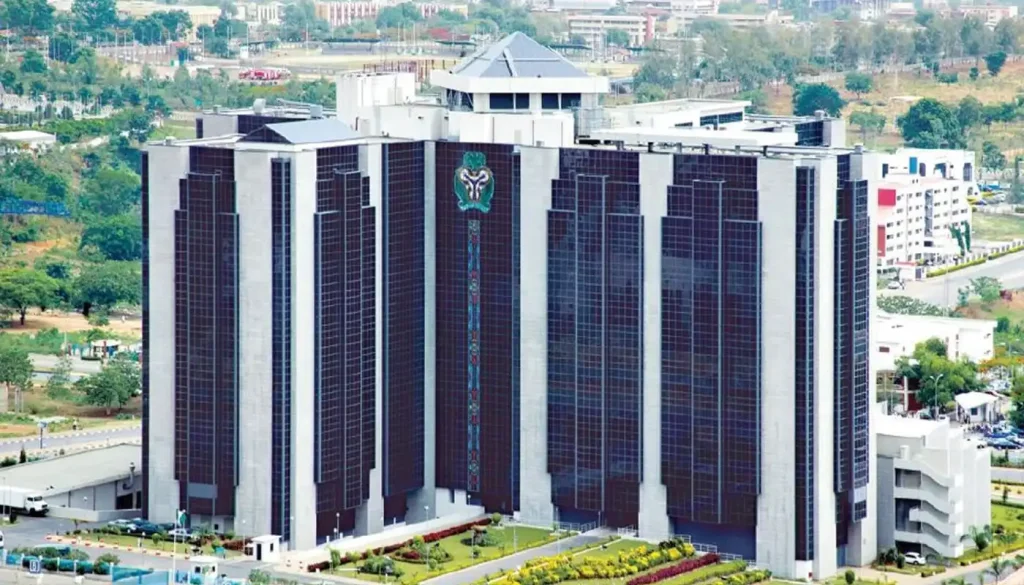
Nigeria’s banking sector recapitalisation programme has received a major boost from domestic investors, who accounted for over 72 per cent of the N4.65 trillion raised by lenders, according to the Central Bank of Nigeria.
In a statement marking the conclusion of the exercise, the apex bank disclosed that Nigerian investors contributed about N3.37 trillion, while foreign investors made up the remaining 27.45 per cent—highlighting strong local confidence in the financial system.
33 Banks Meet New Capital Requirements
The recapitalisation programme, which commenced in March 2024, saw 33 banks meet the revised minimum capital thresholds set by regulators. A few others are still undergoing regulatory and judicial processes.
The CBN emphasized that the exercise was completed without disrupting banking operations, with all banks remaining fully functional throughout the period.
Stronger Financial System, Says Cardoso
CBN Governor Olayemi Cardoso said the programme has significantly strengthened the sector’s resilience.
“The recapitalisation programme has reinforced the capital base of Nigerian banks, positioning them to support economic growth and withstand both domestic and global shocks,” he stated.
The regulator noted improvements in key prudential indicators, including capital adequacy ratios, which now exceed global Basel standards. Minimum ratios were set at 10 per cent for regional and national banks, and 15 per cent for banks with international licences.
Reforms Boost Transparency, Stability
The recapitalisation coincided with a gradual exit from regulatory forbearance, a move the CBN said has enhanced asset quality, improved balance sheet transparency, and strengthened overall system stability.
To sustain these gains, the apex bank has intensified its risk-based supervision framework, including regular stress testing and stricter capital buffer requirements.
Foreign Inflows Surge, Concerns Remain
Data from the National Bureau of Statistics showed foreign capital inflows into the banking sector rose sharply by 93.25 per cent year-on-year to $13.53 billion in 2025, up from $7 billion in 2024.
However, the Centre for the Promotion of Private Enterprise cautioned that access to credit for small businesses remains limited, warning that the full benefits of the recapitalisation have yet to reach the real economy.
Outlook
With a stronger capital base and improved regulatory oversight, Nigeria’s banking sector is now better positioned to support lending, mobilise savings, and navigate economic uncertainties—though experts say translating these gains into real sector growth will be the true test.