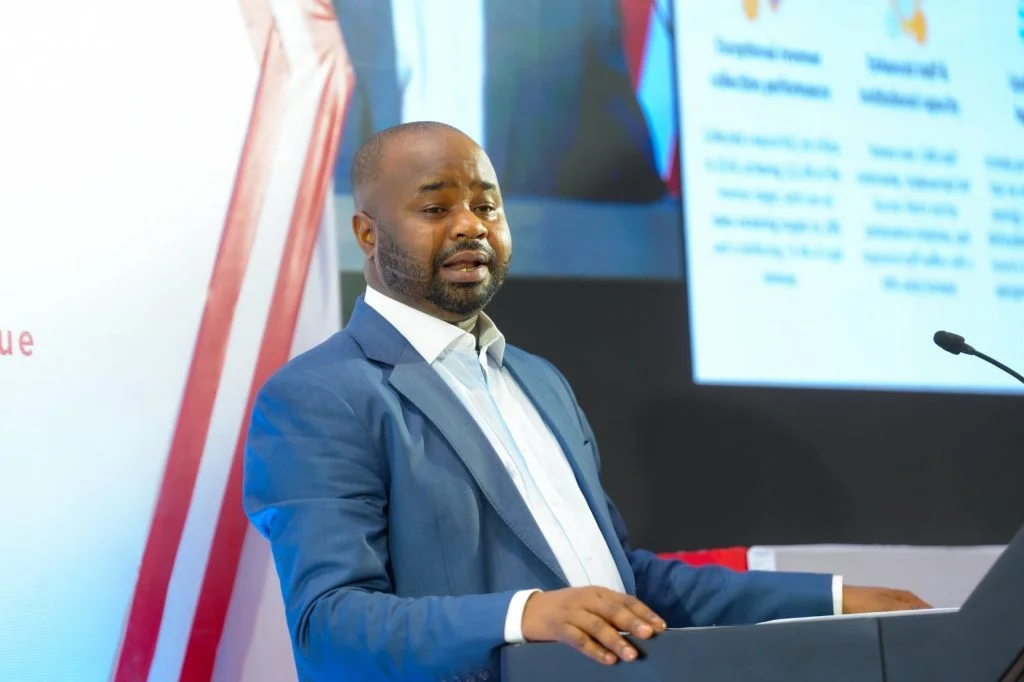
A closed-door meeting at the House of Representatives on Tuesday, December 9, took an unexpected turn when lawmakers reportedly asked the Executive Chairman of the Federal Inland Revenue Service (FIRS), Zacch Adedeji, to exit the session.
The encounter, described by insiders as tense, centred on the prolonged delay in releasing funds for zonal intervention and constituency projects.
According to a member present at the meeting, the lawmakers became irritated by what they perceived as Adedeji’s “dismissive” or “arrogant” responses to questions about stalled disbursements.
His remarks, the lawmaker said, prompted members to insist he leave the session to allow discussions to continue without further friction.
The executive session was convened after weeks of complaints from legislators who say contractors across multiple constituencies have halted work due to lack of payment.
The delay, they warned, is now threatening the effective implementation of projects tied to the 2024 budget.
During the meeting, Minister of Finance Wale Edun briefed the House and attempted to de-escalate the situation. He assured members that all outstanding obligations under the 2024 budget would be cleared within 48 hours, a commitment meant to restore momentum to hundreds of stalled federal projects.
Edun also disclosed that the implementation window for the 2025 budget would be extended until April. He explained that 30% of the budget’s funding would be released immediately, while an additional 20% would follow before the end of December—measures he said were designed to stabilise project financing going forward.
Despite the minister’s assurances, several lawmakers remained unconvinced.
The House, according to the attending legislator, resolved not to receive the 2026 budget proposal until every outstanding commitment is honoured as promised.
Also Read: Fubara Defects to APC After Meeting With President Tinubu in Abuja
The dramatic removal of the FIRS chairman from the session highlights a growing rift between the legislature and fiscal agencies, fuelled by payment delays that lawmakers say are undermining key constituency projects and straining institutional relationships.