Iran has ruled out renewed negotiations with the United States as the escalating conflict in the Middle East entered its 11th day, with Tehran vowing to continue missile attacks against its adversaries.
Iran’s Foreign Minister, Abbas Araghchi, said discussions with Washington were no longer under consideration following recent military strikes.
“I don’t think talking with the Americans would be on our agenda anymore,” Araghchi said in an interview with PBS News, describing Iran’s previous negotiations with the United States as a “very bitter experience.”
War sparked by US-Israel strikes
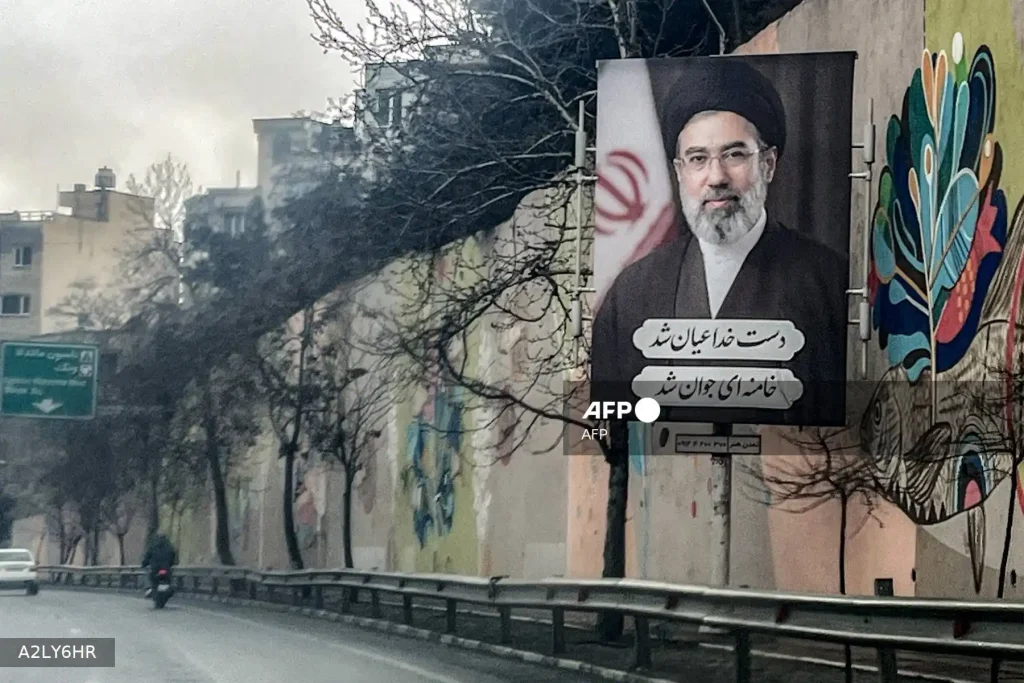
The latest escalation began on February 28, when the United States and Israel launched coordinated strikes against Iran that reportedly killed the country’s Supreme Leader, Ayatollah Ali Khamenei, triggering a broader regional conflict.
The attacks occurred just days before Washington and Tehran were scheduled to hold another round of diplomatic talks after three earlier negotiation sessions, which mediators had said were making progress.
Iran vows continued retaliation
In response, Iran has launched drone and missile strikes targeting Israeli positions and US-linked assets across the region.
Araghchi said the attacks were acts of self-defense, adding that Iran was prepared to sustain military operations for as long as necessary.
“We are prepared to continue attacking them with our missiles as long as needed,” he said.
Strait of Hormuz tensions rise
The conflict has also disrupted shipping in the strategic Strait of Hormuz, a critical maritime route through which nearly 20 percent of global crude oil supplies normally pass.
Since the war began, Iranian forces have reportedly targeted oil tankers passing through the waterway, raising fears of prolonged disruptions to global energy markets.
Diplomatic efforts for ceasefire
Despite the ongoing hostilities, Iran’s Deputy Foreign Minister, Kazem Gharibabadi, said several countries have reached out in an effort to broker a ceasefire.
According to him, diplomatic contacts have come from nations including China, Russia and France, as well as regional governments seeking to prevent further escalation.
Meanwhile, French President Emmanuel Macron said France and its allies were preparing a “defensive mission” aimed at reopening the Strait of Hormuz and ensuring safe passage for international shipping.
Tehran, however, maintains that it did not initiate the conflict.
“We did not start the aggression and the war,” Gharibabadi said. “We are defending ourselves.”