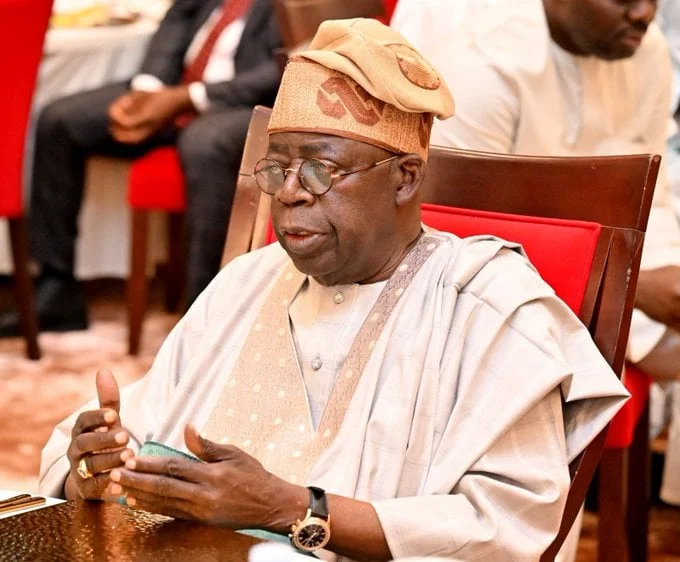
President Bola Ahmed Tinubu has asked the National Assembly to approve an additional ₦9.09 trillion in the 2026 budget, with the Federal Government planning to fund the expansion through crude oil windfalls and fresh borrowing.
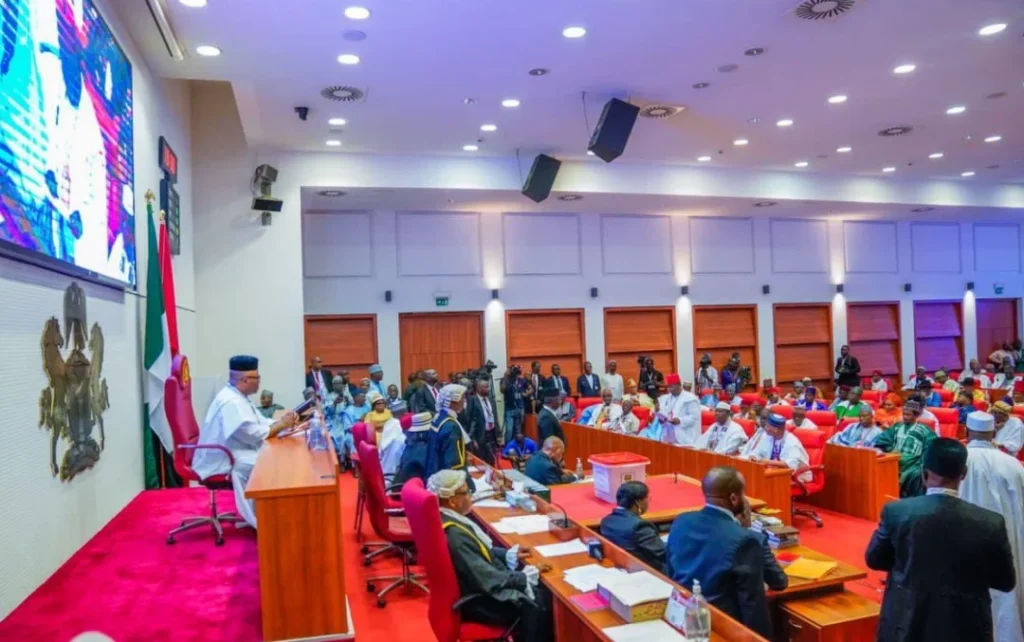
The request, conveyed in a letter read on the Senate floor by Senate President Godswill Akpabio on Tuesday, signals a major adjustment to Nigeria’s fiscal framework amid shifting global oil dynamics and domestic economic pressures.
Tinubu said the proposed increase is aimed at strengthening fiscal transparency, capturing existing debt obligations, and ensuring the effective execution of priority national programmes.
“The proposed adjustment is aimed at strengthening fiscal transparency and ensuring the effective implementation of priority national programmes,” the President stated.
Budget Swells Beyond Executive Proposal
Despite the President’s request, the National Assembly approved a higher budget of ₦68.32 trillion for the 2026 fiscal year—up from the initial ₦58.18 trillion proposal submitted in December 2025.
Analysis shows that Tinubu’s ₦9.09 trillion request would have brought the budget to about ₦67.3 trillion. However, lawmakers added roughly ₦1 trillion more, citing the need to address legacy obligations and fund critical sectors.
Chairman of the Senate Committee on Appropriations, Solomon Adeola, said the increase would help regularise outstanding commitments, align the budget with current economic realities, and maintain macroeconomic stability.
Key Allocations and Spending Priorities
The approved budget reflects significant spending across major sectors:
- ₦32.29tn for capital projects
- ₦15.81tn for debt servicing
- ₦15.43tn for recurrent (non-debt) expenditure
- ₦4.80tn for statutory transfers
Lawmakers said the expansion would support infrastructure development, healthcare, judiciary funding, and preparations for the 2027 general elections.
A major component of the adjustment is the rollover of ₦7.71 trillion in outstanding capital projects from the 2025 budget, many of which were affected by revenue shortfalls.
Oil Benchmark, Telecoms Revenue to Boost Funding
To finance the expanded budget, the government is banking on increased oil revenue, including a $10 per barrel rise in the oil benchmark, expected to generate about ₦2.59 trillion.
Additional revenue is also projected from the telecommunications sector, with MTN Nigeria and Airtel Nigeria expected to contribute a combined ₦874 billion in company income taxes.
However, lawmakers approved an additional ₦6.16 trillion in external borrowing to close the funding gap.
Fresh $6bn Loan Approved
In a related development, both chambers of the National Assembly approved President Tinubu’s request to secure $6 billion in external loans.
The package includes:
- $5bn facility from First Abu Dhabi Bank for budget support and debt refinancing
- $1bn UK export finance loan arranged by Citibank for the rehabilitation of Lagos Port and Tin Can Island Port
Tinubu said the loans would be disbursed in tranches and used for infrastructure development, budget implementation, and repayment of costly debts.
Lawmakers Raise Implementation Concerns
Despite approving the expanded budget, lawmakers expressed concerns over delays in fund releases and bureaucratic bottlenecks that hampered the execution of the 2025 budget.
They called for urgent reforms, improved oversight, and stronger collaboration between the executive and legislature to ensure timely project delivery.
The National Assembly also approved an extension of the 2025 capital budget implementation to June 30, 2026, to allow completion of ongoing projects.
Experts Urge Strategic Spending
Economic experts have urged the government to prioritise security, infrastructure, power, and social investments when deploying the additional funds.
Development economist Aliyu Ilias stressed that improving security is critical to unlocking economic growth, while Professor Adeola Adenikinju highlighted the need for investment in electricity, agriculture, and social protection to cushion the impact of ongoing reforms.
Outlook
With a projected deficit of ₦23.85 trillion (4.28% of GDP), the 2026 budget underscores Nigeria’s continued reliance on a mix of oil revenue gains and borrowing to finance its fiscal plans.
The approved budget is expected to be transmitted to President Tinubu for assent in the coming days.