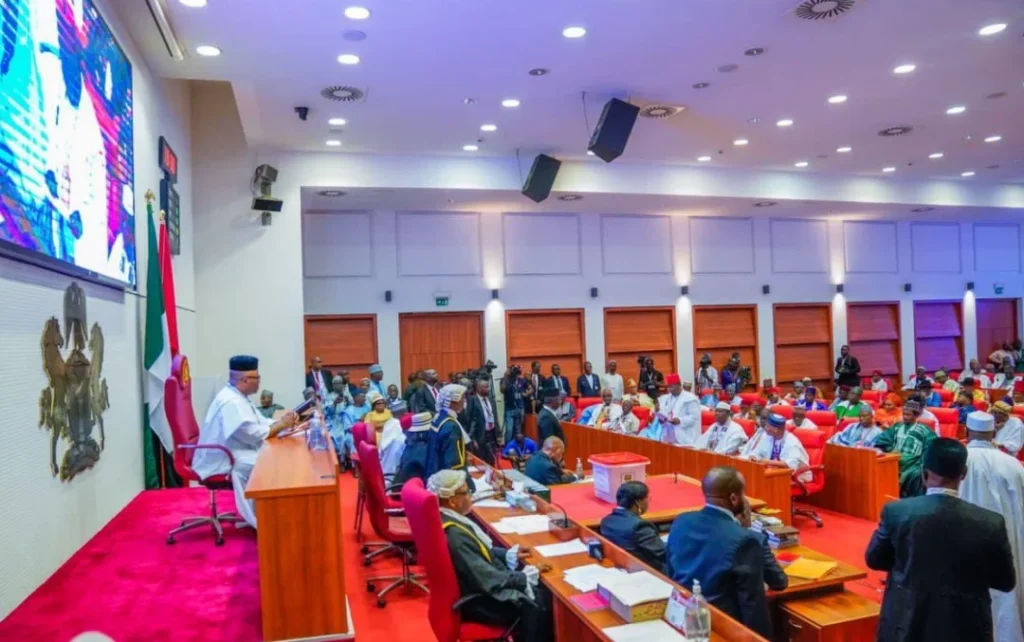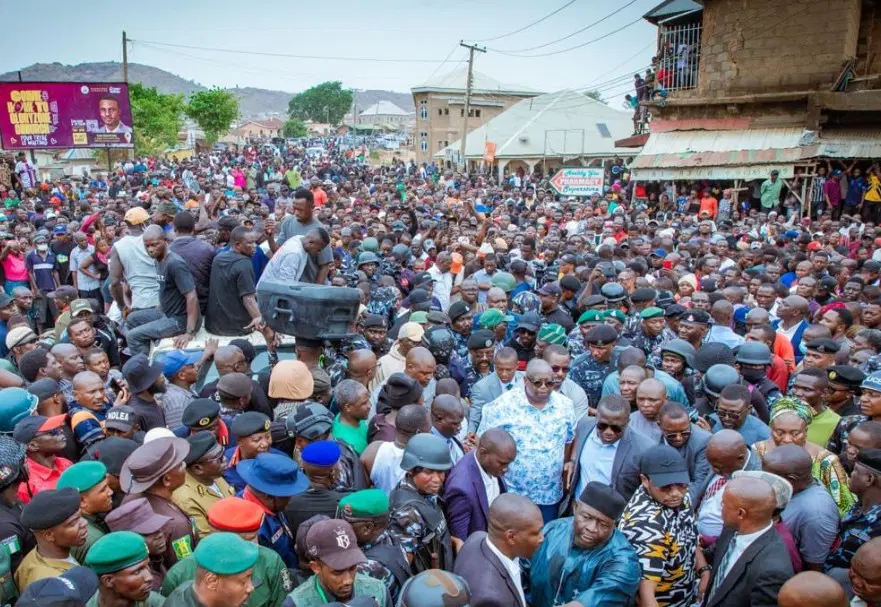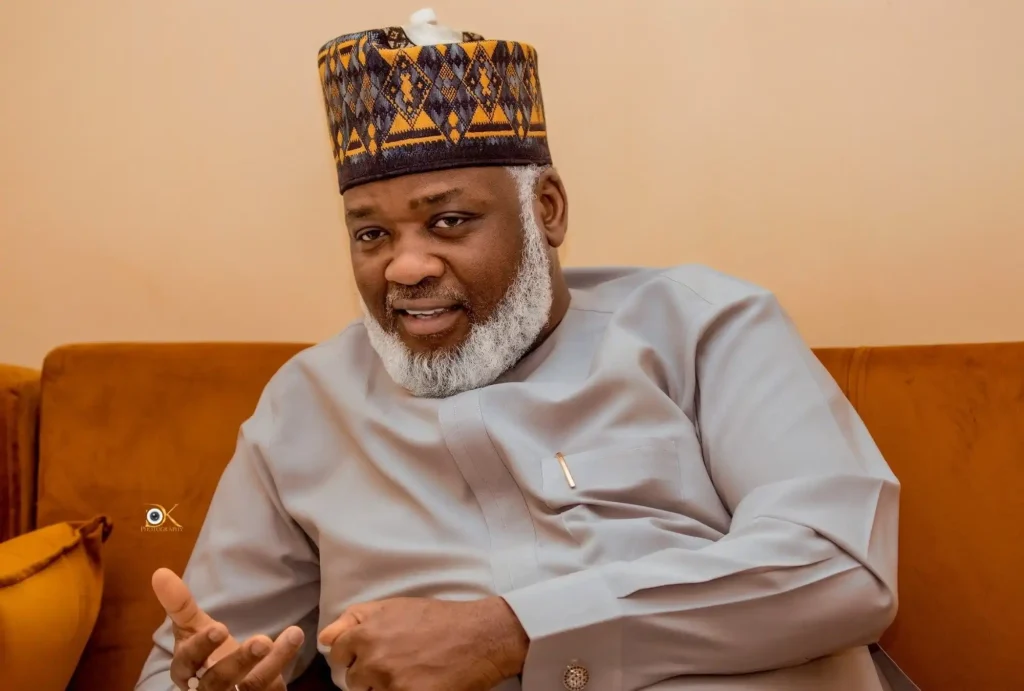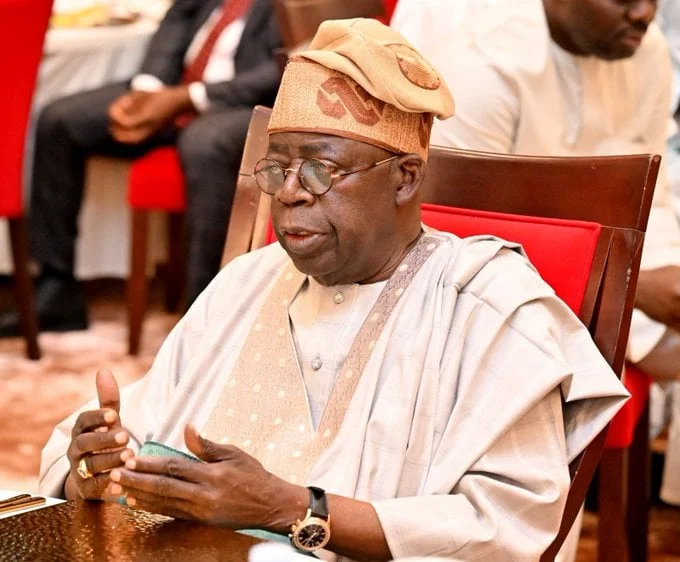
The Federal Government has earmarked N135.22bn in the proposed 2026 budget for election-related legal disputes ahead of the 2027 general elections, sparking widespread concern among political parties, legal experts, and civil society organisations.
The provision, listed as “Electoral Adjudication and Post-Election Provision,” was captured under the Service-Wide Votes in the 2026 Appropriation Bill— a central pool used to fund obligations not tied to any specific ministry, department, or agency.
Budget signals anticipated legal battles
Findings show the allocation forms part of the Consolidated Revenue Fund (CRF) charges, which total N3.70tn, with the election litigation provision accounting for about 3.65 per cent of that segment.
The move suggests that the government is bracing for significant post-election disputes, settlements, and administrative costs typically associated with Nigeria’s electoral process.
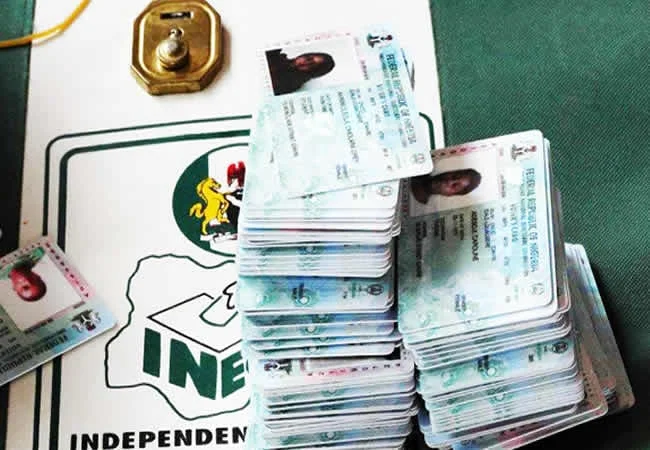
The allocation also comes alongside a N1.01tn statutory transfer to the Independent National Electoral Commission (INEC), making it the largest recipient of statutory funds in the budget.
INEC had earlier told the National Assembly it would require N873.78bn to conduct the 2027 elections—nearly triple the N313.4bn spent on the 2023 polls.
Opposition, experts raise alarm
Opposition parties, including the Peoples Democratic Party (PDP) and the African Democratic Congress (ADC), have questioned both the size and intent of the N135bn provision.
PDP spokesperson, Ini Ememobong, said the allocation raises red flags about transparency, arguing that it suggests expectations of disputed election outcomes.
“If elections are conducted transparently, litigation should reduce drastically. This raises concerns about what exactly is being planned,” he said.
ADC spokesman, Bolaji Abdullahi, acknowledged that election disputes are common but described the amount as excessive, warning that credible elections should not require such heavy legal budgeting.
Legal community queries cost
Human rights lawyer, Femi Falana (SAN), described the figure as “too high and unjustifiable,” noting that INEC already has an in-house legal department and typically spends far less on election-related cases.
He added that even with thousands of cases during the 2023 elections, total legal costs were significantly below the proposed amount, and recent legal reforms are expected to reduce such disputes further.
Political economist, Prof. Pat Utomi, also faulted the move, arguing that elections are contested by candidates, not the Federal Government.
“If the provision is meant for INEC, it should be included in INEC’s budget, not a separate government allocation,” he said.
CSOs warn of deeper electoral flaws
Civil society organisations say the budgetary provision reflects deeper structural issues within Nigeria’s electoral system.
Executive Director of #FixPolitics Africa, Anthony Ubani, described the allocation as a troubling sign that elections are increasingly expected to be settled in court rather than at the ballot box.
“A credible system should deliver outcomes accepted by voters, not prolonged litigation,” he said, warning that over-reliance on courts undermines democracy and public trust.
Similarly, Auwal Rafsanjani of the Civil Society Legislative Advocacy Centre questioned why such a large sum is being set aside for disputes, arguing that credible elections would significantly reduce litigation costs.
Calls for reforms
Stakeholders have called for urgent reforms to strengthen electoral transparency, including improved logistics, better legal frameworks, and the adoption of real-time electronic transmission of results.
They insist that investing in credible electoral processes would reduce the need for costly legal battles and restore confidence in Nigeria’s democracy.
Growing scrutiny ahead of 2027
The N135.22bn provision—reportedly a new line item in the 2026 budget—has intensified scrutiny of Nigeria’s electoral preparedness as the 2027 polls approach.
While the government may view the allocation as a contingency plan, critics argue it reflects a troubling expectation of disputes, raising fresh concerns about the credibility and integrity of future elections.