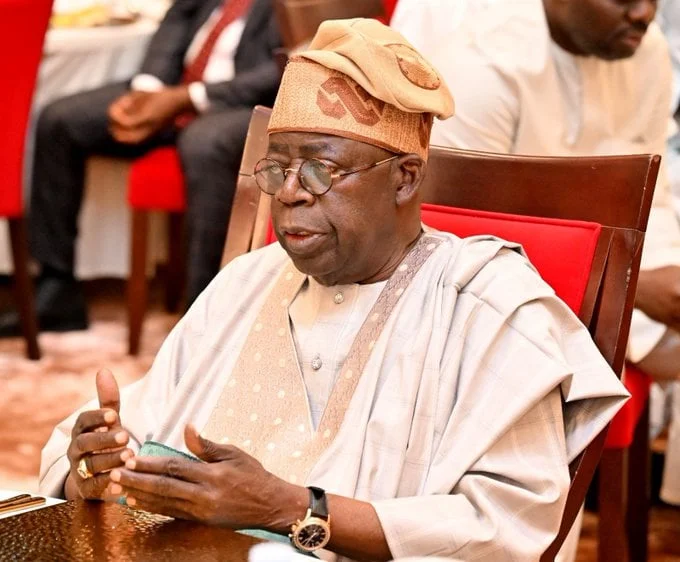

The Federal Government has reaffirmed its resolve to roll out the newly approved tax reforms as scheduled, despite growing criticism and calls for a delay from some political leaders and stakeholders.
Bayo Onanuga, Special Adviser to President Bola Tinubu on Information and Strategy, defended the decision, insisting that the Tax Act should take effect on January 1, 2026, as planned.
According to him, postponing the reforms would only worsen the financial burden on ordinary Nigerians and small business owners.
Onanuga argued that the existing tax framework unfairly targets low-income earners and micro-enterprises, and maintaining the current system would perpetuate excessive taxation on vulnerable groups.
In a post shared on his official 𝕏 account on Wednesday, the presidential aide urged critics of the reforms to pay attention to explanations offered by Taiwo Oyedele, Chairman of the Presidential Fiscal Policy and Tax Reforms Committee.
“Those asking for the suspension of the Tax Act, which is set to take effect in a week, should listen carefully to Taiwo Oyedele,” Onanuga wrote. “Do they really want the status quo to continue, where poor Nigerians and small businesses are heavily overtaxed?”
The proposed implementation has sparked controversy amid claims that the version of the tax law signed by the executive differs from the one approved by the National Assembly. These allegations have fueled demands for a pause in implementation until all disputed issues are resolved.
Notable figures, including former Vice President Atiku Abubakar and former Labour Party presidential candidate Peter Obi, have publicly called for the suspension of the reforms, citing transparency and legislative concerns.
However, Oyedele has warned that delaying the reforms would have serious consequences for the majority of Nigerians. Speaking on Channels Television’s The Morning Brief on Monday, he stated that nearly 98 percent of workers would continue to bear excessive tax burdens if the new law is not enforced.
He explained that without the reforms, workers would face multiple layers of taxation, businesses would lose access to tax reliefs, and small, unprofitable enterprises would continue paying avoidable taxes. Oyedele also noted that value-added tax on food items would remain in place, further driving up the cost of basic necessities.
Also Read: Top Nigerian Court Cases of 2025 That Shook the Nation
The federal government maintains that the tax reforms are designed to ease pressure on low-income earners, stimulate business growth, and create a fairer taxation system across the country.