The Minister of Finance and Coordinating Minister of the Economy, Wale Edun, has challenged President Bola Tinubu’s claim that Nigeria had met its 2025 revenue target ahead of schedule, revealing that the Federal Government has actually collected only ₦10.7 trillion of the projected ₦40.8 trillion for the year.
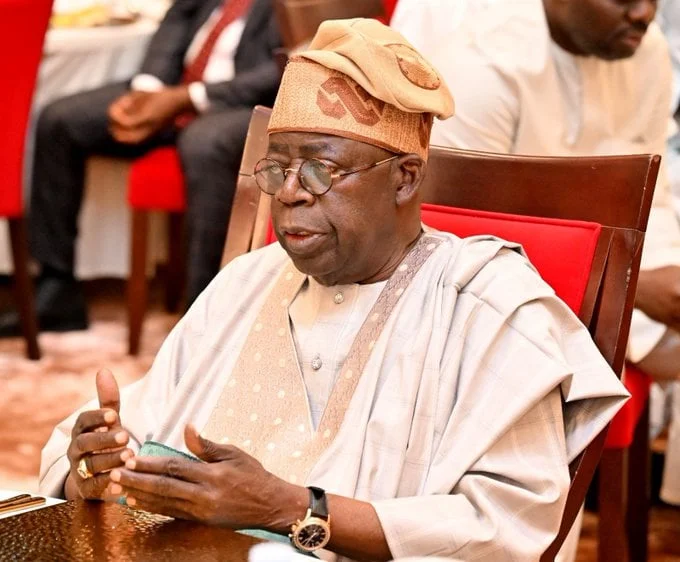
President Tinubu had earlier declared that his administration reached its revenue goal by August, asserting that the country no longer needed to borrow to fund the budget.
Speaking in September at the Presidential Villa during a visit by stakeholders of the Buhari Organisation, Tinubu hailed the government’s aggressive non-oil revenue initiatives as the key driver behind this achievement.
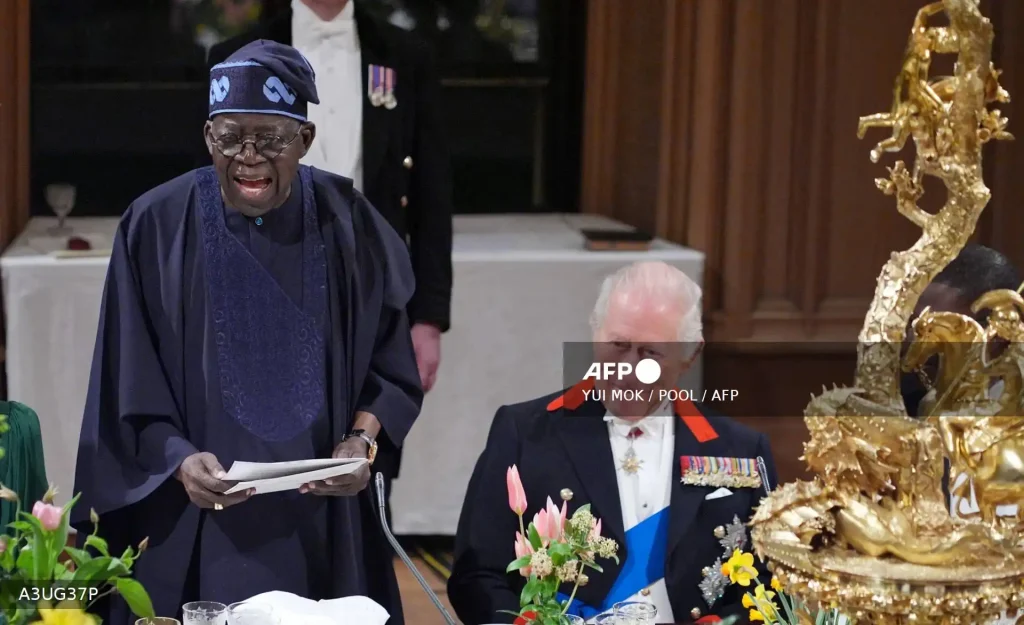
“Today I can stand here before you to brag: Nigeria is not borrowing. We have met our revenue target for the year and we met it in August,” the President had said.
However, Minister Edun painted a very different picture on Tuesday during a briefing with the House of Representatives Committees on Finance and National Planning. The meeting was convened to discuss the 2026–2028 Medium Term Expenditure Framework (MTEF) and Fiscal Strategy Paper (FSP), recently transmitted to the House by the President for legislative approval.
According to Edun, the government had initially projected ₦40.8 trillion in revenue to fund the ₦54.9 trillion 2025 “budget of restoration,” designed to stabilize the economy, promote peace, and rebuild prosperity.
“Current projections indicate that federal revenues for the full year are likely to end at around ₦10.7 trillion, far below the ₦40.8 trillion target,” the minister said, describing a significant gap in expected income.
The shortfall, he explained, stems largely from weak oil and gas earnings, including lower-than-expected Petroleum Profit Tax and Company Income Tax collections. Several non-oil revenue sources also underperformed, putting additional pressure on government finances.
To bridge the gap, Edun revealed that the Federal Government had borrowed approximately ₦14.1 trillion during the year — a move that appears to contradict earlier claims of reduced reliance on borrowing.
Also Read: Ahmed Musa Retires from Super Eagles After 15-Year Career
The disclosure has sparked fresh concerns over the sustainability of Nigeria’s public finances, raising questions about the government’s capacity to achieve its fiscal targets and reduce dependency on debt amid declining revenue performance.