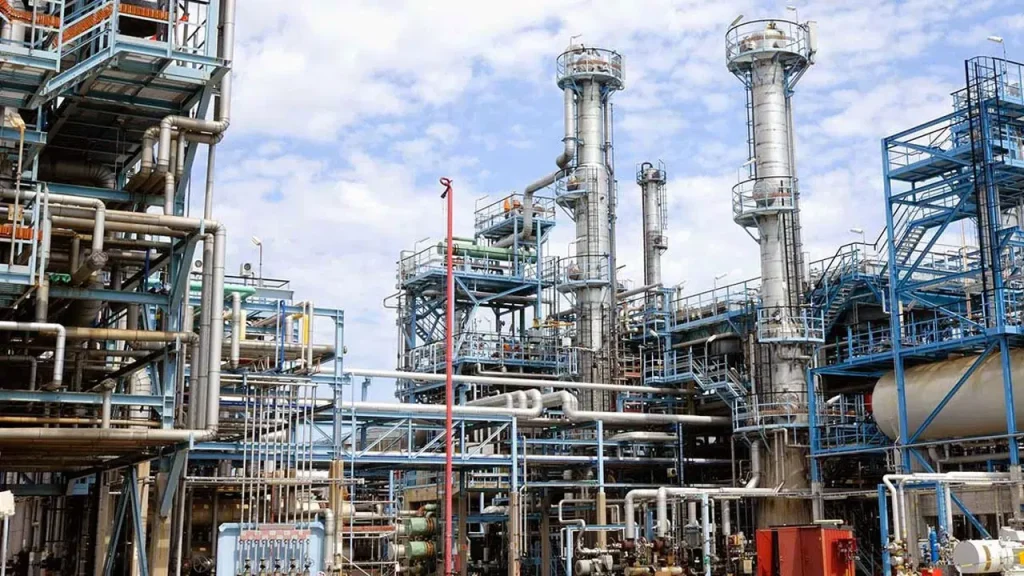
Nigeria’s flagship €2.3 billion Presidential Power Initiative (PPI) has failed to deliver its promised transformation of the country’s electricity sector, with power generation still struggling far below projected targets despite years of investment.
The project — launched by the Federal Government and executed in partnership with Germany’s Siemens AG — was designed to boost electricity supply to 25,000 megawatts (MW) between 2020 and 2025. But five years after its rollout, Nigeria has yet to reach even 7,000MW, raising fresh concerns about the effectiveness of the initiative.
Ambitious targets missed
Under the roadmap, the government planned to raise power supply in phases — 7,000MW by 2021, 11,000MW by 2023, and 25,000MW by 2025.
However, recent data from the Nigerian Independent System Operator indicates the country is still battling with severe constraints across the electricity value chain. Nigeria currently generates around 5,000MW, transmits just over 4,000MW, and distributes roughly 3,000MW to a population exceeding 200 million people.
Industry experts say the shortfall reflects deep structural challenges within the sector, including weak infrastructure, poor metering coverage, high technical and commercial losses, and persistent liquidity issues.
Although Nigeria’s installed generation capacity is estimated at more than 12,000MW, much of it remains unused due to gas shortages, grid instability, and weak distribution networks.
Government begins new phase
Despite the setbacks, the project’s implementation company, FGN Power Company, insists the initiative is entering a new stage after lengthy financing negotiations and regulatory approvals.
According to the company, the first batch of Phase 1 projects includes the construction of substations in Abeokuta, Ayede, and Onitsha, expected to be completed by 2026, while additional substations in Sokoto and Offa are scheduled for 2027.
Together, the five substations are projected to add 984MW of wheeling capacity to Nigeria’s transmission network. Another 12 substations under the second batch are expected to be delivered by 2028.
Transmission and distribution remain weak links
Energy law expert Yemi Oke of the University of Lagos said Nigeria’s electricity crisis persists largely because of long-standing weaknesses in the transmission and distribution segments.
According to him, electricity distribution companies remain the most fragile part of the system due to persistent issues such as metering gaps, estimated billing, energy theft, and poor tariff collection.
“The distribution segment absorbs the shocks of the entire power system,” he said, noting that frequent grid collapses, vandalism of transmission infrastructure, and ageing equipment continue to undermine electricity delivery nationwide.
He also advocated greater investment in decentralised energy solutions, including mini-grids and regional power networks, to reduce excessive dependence on the national grid.
Economic costs rising
The Lagos Chamber of Commerce and Industry warned that the failure to meet the initiative’s targets has imposed heavy costs on households and businesses.
According to the chamber’s Director-General, Chinyere Almona, unreliable electricity forces companies to rely heavily on diesel and petrol generators, significantly raising production costs and weakening Nigeria’s competitiveness.
“Small and medium-sized enterprises suffer the most from unstable power supply, limiting productivity and expansion,” she said.
She added that weak electricity infrastructure also discourages foreign investment, as investors prefer countries with reliable and affordable energy systems.
Economic growth at risk
The Centre for the Promotion of Private Enterprise also warned that persistent power shortages could slow economic growth and job creation.
According to the group, industrialisation and productivity are closely tied to stable electricity supply, and Nigeria’s continued reliance on costly alternative energy sources undermines business competitiveness.
The organisation further cautioned that Nigeria could struggle to compete under the African Continental Free Trade Area without addressing its energy deficit.
Tinubu launches new grid reform plan
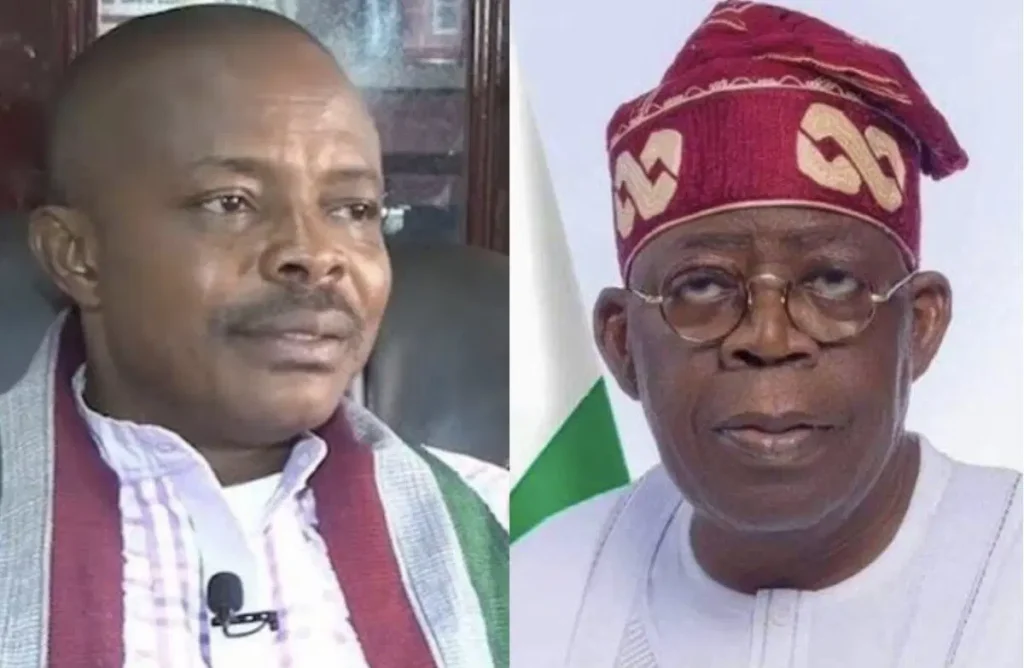
In response to the sector’s challenges, President Bola Tinubu has approved the creation of a Grid Assets Management Company (GAMCO) to tackle persistent grid management and transmission problems.
An 11-member committee inaugurated by the President’s Chief of Staff, Femi Gbajabiamila, will review laws and institutional frameworks governing the electricity sector and develop a plan to unlock stranded power from key plants under the Niger Delta Power Holding Company and the National Integrated Power Project.
The pilot phase will focus on optimising power from plants such as Omotosho, Olorunsogo, and Ihovbor, while developing a new high-capacity transmission corridor along the Benin–Lagos axis.
Concerns over overlapping roles
However, energy advocacy group PowerUp Nigeria has raised concerns about possible overlaps between GAMCO and existing institutions in the sector.
Its Executive Director, Adetayo Adegbemle, questioned how the new structure would interact with agencies such as the Ministry of Power and existing reform programmes.
Analysts say without stronger policy coordination, infrastructure investment, and private sector participation, Nigeria’s decades-long electricity crisis may continue to hamper industrial growth, job creation, and economic competitiveness.