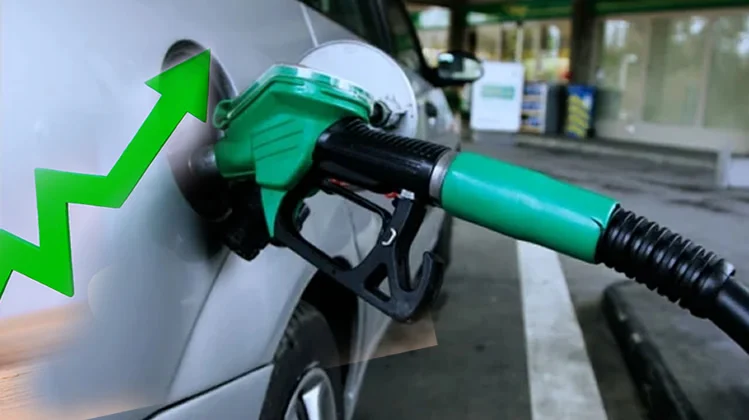

The Dangote Petroleum Refinery has reduced its ex-gantry price of petrol by N100 per litre, bringing the new rate down to N1,075 per litre from N1,175, following a sharp decline in global crude oil prices.
The price adjustment came as international oil benchmark Brent crude dropped to about $88 per barrel from a recent high of $110, easing concerns over prolonged supply disruptions linked to the ongoing Middle East conflict.
The refinery also announced that petrol supplied through coastal distribution channels will now sell at N1,050 per litre, while the price of diesel has been reduced to N1,430 per litre, down from N1,620.
Oil prices fall amid war de-escalation hopes
Global oil prices began to decline after Donald Trump suggested that the war involving the United States, Israel and Iran could end soon.
Speaking from his resort in Miami, Trump described the conflict as a “little excursion” that had progressed faster than expected, adding that his administration was keen to keep oil prices from rising further.
However, tensions remain high after Iran vowed to continue missile strikes, with its foreign minister Abbas Araghchi ruling out fresh negotiations with Washington.
“I don’t think talking with the Americans would be on our agenda anymore,” Araghchi said, noting that Tehran had a “very bitter experience” in previous negotiations.
Marketers yet to adjust pump prices
Despite the refinery’s reduction, petrol prices at filling stations across parts of Abuja and Lagos remained elevated.
Many marketers who recently increased pump prices have yet to implement downward adjustments. At several stations in Abuja, petrol was still selling between N1,285 and N1,330 per litre, even after crude prices dropped.
Industry analysts say price reductions at the retail level may take a few days as marketers sell off existing stocks purchased at higher rates.
Transport fares fluctuate
The surge in fuel prices earlier in the week triggered a sharp rise in transport fares, with some routes increasing by as much as 30 percent.
In some areas of Abuja, fares that rose to N1,500 earlier have started easing to around N1,200, while trips from Area 8 to Nyanya dropped from N1,000 to N800.
Experts predict gradual market adjustment
Energy market analyst Olajide Jeremiah, CEO of Petroleumprice.ng, said the domestic market would eventually adjust to the new price template.
According to him, depot operators and filling stations are expected to begin lowering prices before the weekend.
Meanwhile, the National President of the Petroleum Products Retail Outlets Owners Association of Nigeria, Billy Gillis-Harry, commended the refinery’s price reduction, noting that other downstream operators would follow once existing inventories are exhausted.
Calls for stronger local refining
Economic experts say the development highlights the importance of expanding Nigeria’s domestic refining capacity.
Dr. Muda Yusuf of the Centre for the Promotion of Private Enterprise stressed the need for policies that support investments in local refining to shield the country from global oil market volatility.
Emerging markets face wider risks
Meanwhile, global credit rating agency Fitch Ratings warned that prolonged conflict in the Middle East could put additional pressure on emerging market economies.
According to the agency, disruptions in global energy supply could raise inflation, weaken currencies, and increase borrowing costs for countries heavily dependent on imported fuel.
The report added that sustained geopolitical tensions could also impact investor sentiment and financial stability across developing economies.