In many countries around the world, telecommunications infrastructure is considered a critical national asset, with stringent penalties for those who damage it. In Nigeria, this conversation has gained urgency as the country continues to grapple with widespread damage to its telecom infrastructure, which is crucial for its growing digital economy.
The Nigerian Communications Commission (NCC) reported that as of February 2022, the country had 303.64 million connected telephone lines, with 197.77 million in active use. Global telecom association GSMA estimated that Nigeria had 97.5 million unique mobile subscribers as of September 2018. Experts argue that since the introduction of telecom services in 2001, telecommunications have become an essential infrastructure supporting various sectors of the economy, from business to social services.
Despite its importance, Nigeria’s telecom infrastructure is prone to damage from vandalism, theft, and construction projects. Incidents of fibre optic cable cuts, power outages due to generator and battery theft, and intentional site shutdowns continue to plague the sector. In October 2021, a national outage of MTN Nigeria services left millions of subscribers stranded without the ability to make calls, send messages, or access the internet.
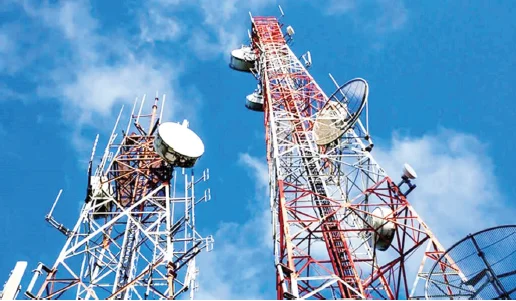
The NCC reported in 2020 that the country had 32,939 telecom towers, 36,998 base stations, and 104,586.34 kilometers of fibre optics deployed. However, poor protection of this infrastructure hinders efficient service delivery, leading to dropped calls, poor internet connectivity, and prolonged service outages. According to Gbenga Adebayo, Chairman of the Association of Licensed Telecom Operators of Nigeria (ALTON), fibre cuts alone can disrupt network delivery and extend outages, affecting the quality of telecom services.
Experts say that classifying telecom infrastructure as Critical National Infrastructure (CNI) would offer better protection. Currently, the lack of such classification leaves the sector vulnerable. According to Adeolu Ogunbanjo, President of the National Association of Telecoms Subscribers (NATCOM), the government seems more focused on extracting taxes from the telecom sector rather than protecting the infrastructure that enables those services.
The issue of inadequate protection became evident when the Kogi State Internal Revenue Service shut down telecom sites in 2021, leading to service disruptions across Kogi and neighboring states, affecting the Federal Capital Territory and parts of Nassarawa, Benue, and Kwara states.
To address these challenges, ALTON and other stakeholders have called on the Federal Government to sign an executive order that would classify telecoms as critical national infrastructure. Ajibola Olude, Chief Operating Officer of the Association of Telecommunications Companies of Nigeria (ATCON), believes this move would increase investment in the sector, attract more Foreign Direct Investment, and ultimately boost Nigeria’s Gross Domestic Product (GDP).
Telecom infrastructure plays a vital role as the foundation of other sectors, experts emphasize. With growing reliance on digital communication and services, any collapse in telecom infrastructure could ripple across the economy, affecting multiple industries. As the nation looks to strengthen its digital economy, safeguarding the telecom sector is paramount.
If the Federal Government does not act quickly to protect telecom infrastructure, the country’s economic progress and digital transformation efforts could be at risk. Experts stress that no sector is safe if the telecom sector, the “infrastructure of infrastructures,” is left unprotected.