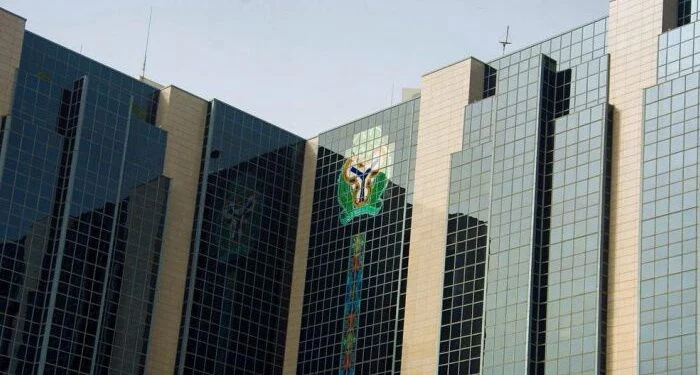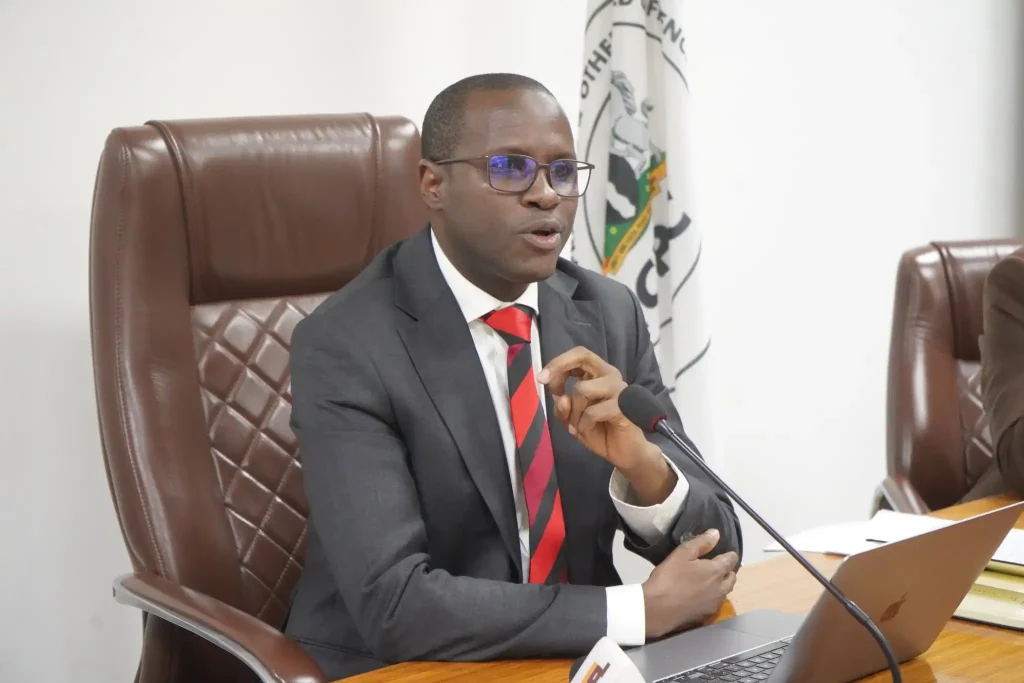
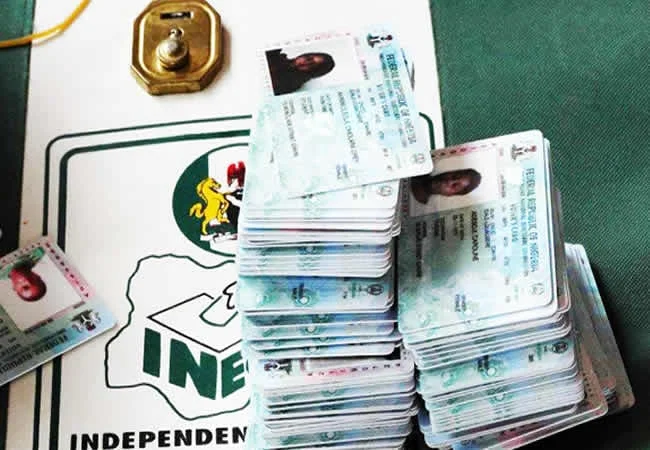
A political storm is brewing ahead of the 2027 general elections as opposition parties, civil society organisations, and electoral stakeholders raise alarm over the proposed voter revalidation exercise by the Independent National Electoral Commission (INEC).
The African Democratic Congress (ADC), Peoples Democratic Party (PDP), the Obidient Movement, and several advocacy groups have warned that the exercise—if implemented—could disenfranchise millions of Nigerians and further erode public confidence in the electoral system.
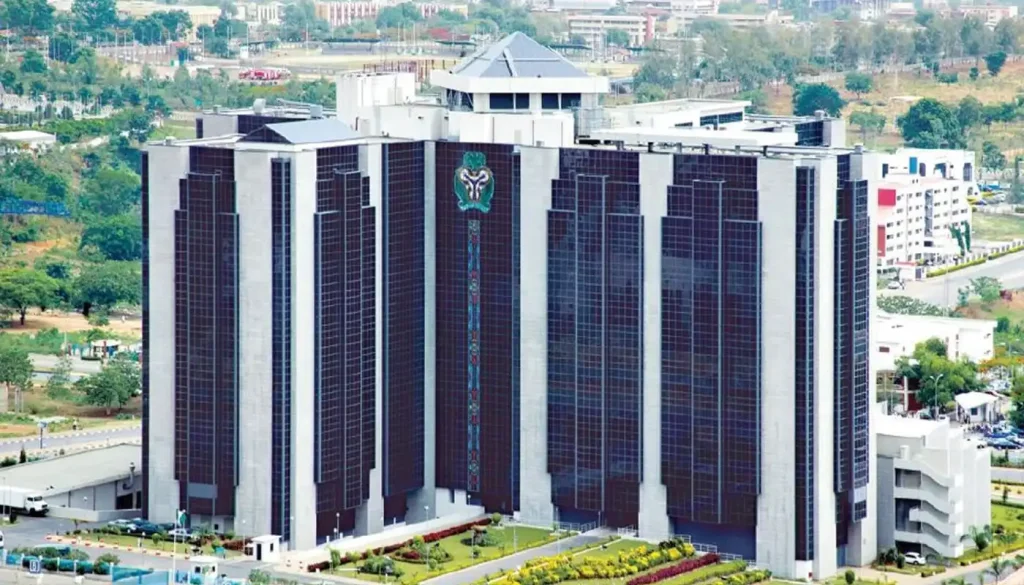
INEC had earlier announced plans to conduct a nationwide voter revalidation between April 13 and May 29, 2026, targeting the removal of ineligible entries such as deceased persons, underage voters, non-Nigerians, and cases of multiple registrations. The commission maintained that the move was aimed at improving the integrity, accuracy, and credibility of the national voter register ahead of future elections.
However, the announcement has triggered widespread criticism, particularly over its timing—less than a year to the 2027 polls—and concerns about logistics, accessibility, and public trust.
Opposition raises red flags
ADC spokesman, Bolaji Abdullahi, questioned the feasibility of the exercise, especially for Nigerians in rural communities, citing poor access to technology and low awareness levels.
Similarly, PDP National Publicity Secretary, Ini Ememobong, described the timing as “wrong and suspicious,” accusing INEC of misplaced priorities and alleging that the move could be part of a broader political strategy to weaken opposition parties.
The Obidient Movement’s National Coordinator, Yunusa Tanko, also expressed fears that the exercise could significantly reduce voter turnout, warning that it may deepen existing distrust in the electoral process.
He noted that despite over 98 million registered voters, turnout in the last general election was about 25 million, adding that a revalidation process could further shrink participation.
Civil society expresses concern
Civil society organisations echoed similar concerns, warning that the exercise could undermine confidence in INEC and complicate the electoral process.
Executive Director of the Civil Society Legislative Advocacy Centre, Auwal Rafsanjani, said the move risks discouraging voter participation, stressing that the commission must prioritise rebuilding trust.
Also, Accountability Lab Nigeria’s Country Director, Friday Odeh, acknowledged that while revalidation may be necessary, it does little to address the deeper issue of voter apathy and distrust.
On his part, the Executive Director of the Centre for Anti-Corruption and Open Leadership, Debo Adeniran, criticised the concept as unnecessary, arguing that a “permanent” voter card should not require periodic revalidation.
Legal backing, timing questioned
A former INEC Director of Voter Education, Oluwole Uzzi, affirmed that the commission has the legal authority to conduct voter revalidation. However, he cautioned that the timing of the exercise raises legitimate political concerns.
While acknowledging the need to clean up the voter register, Uzzi stressed that introducing such a process close to an election could generate tension and suspicion among stakeholders.
INEC suspends exercise
Amid the growing backlash, INEC has directed its Resident Electoral Commissioners (RECs) nationwide to suspend all preparations for the exercise.
In a letter dated April 4, 2026, the commission instructed officials to halt logistics arrangements, including personnel mobilisation and deployment of voter enrolment devices, and to step down all publicity activities pending further directives.
INEC also announced that its scheduled meeting with RECs would now be held virtually, with commissioners advised to remain in their respective states.
Uncertainty ahead
The controversy surrounding the proposed revalidation exercise has heightened political tensions as Nigeria inches closer to the 2027 elections.
While INEC insists the initiative is critical to strengthening electoral credibility, critics argue that poor timing, technical challenges, and lack of public trust could undermine its objectives—raising fresh concerns about the preparedness of the electoral body for the next general polls.