• Groups urge urgent government intervention as energy costs soar
LAGOS — Nigeria’s leading business and labour organisations have raised fresh alarm over the economic fallout from the ongoing Middle East crisis, warning that rising fuel prices could trigger widespread business closures and job losses if urgent action is not taken.
The Nigeria Employers Consultative Association, Nigeria Labour Congress, Lagos Chamber of Commerce and Industry and Association of Small Business Owners of Nigeria said the surge in energy costs is already placing severe pressure on businesses and households across the country.
Fuel Prices Spike Despite Falling Crude
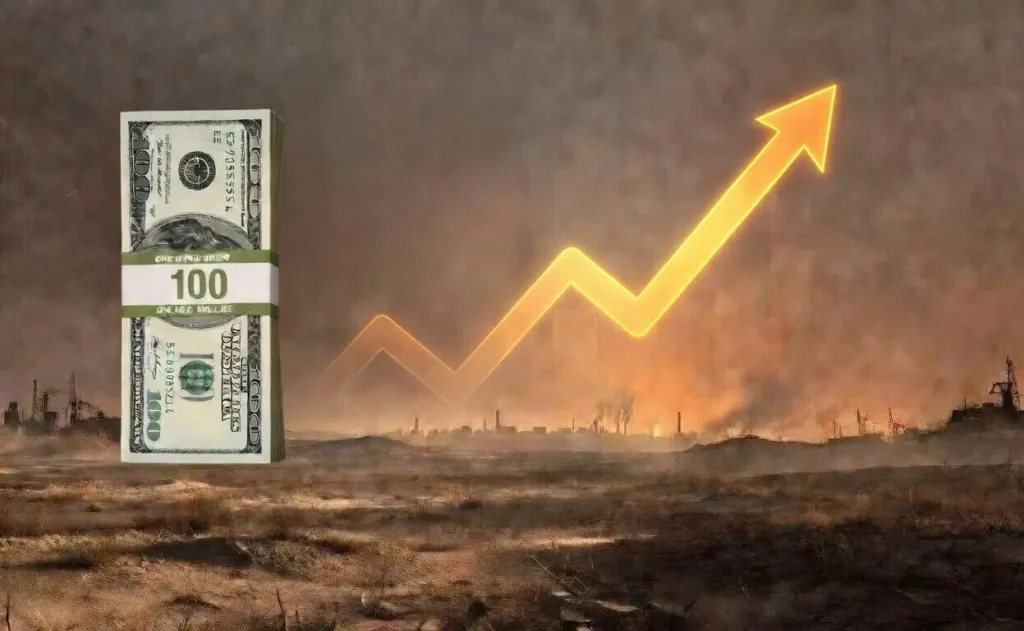
The warning comes as petrol prices remain elevated across major cities, including Lagos and Abuja, despite crude oil prices dropping below $100 per barrel.
Retail prices have climbed above N1,300 per litre, while diesel is nearing N1,800 per litre, intensifying the cost of transportation, production, and everyday living.
‘Nigeria’s Oil Paradox’ Deepens
Director-General of NECA, Adewale-Smatt Oyerinde, described the situation as a dangerous paradox where rising global oil prices—typically beneficial for an oil-producing country—are instead worsening domestic economic conditions.
“Rising crude prices are pushing up local energy costs, squeezing businesses and eroding citizens’ purchasing power,” he said.
According to him, sectors such as manufacturing, agriculture, and logistics are already under intense strain, with many firms struggling to stay afloat as operating costs surge.
He warned that continued increases could force businesses to either pass costs to consumers, scale down operations, or shut down entirely.
Labour Warns Jobs at Risk
Echoing similar concerns, President of the NLC, Joe Ajaero, said the crisis is putting both businesses and jobs in jeopardy.
He urged the government to deploy increased oil revenues from the crisis to cushion its impact on citizens.
“It is clear that businesses and jobs are at risk. Government must act decisively to manage this emergency,” Ajaero said, while questioning delays in promised wage awards to workers.
Small Businesses Face Survival Threat
The Director-General of LCCI, Chinyere Almona, warned that global tensions are driving volatility in energy markets, with ripple effects on Nigeria’s foreign exchange, supply chains, and import costs.
Similarly, ASBON President, Femi Egbesola, said small businesses are being hit hardest, citing rising costs of raw materials, energy, and financing.
“If urgent measures are not taken, this could trigger a wave of job losses and business closures,” he warned.
Consumers Groan Under Rising Costs
Across the country, Nigerians are already feeling the impact. Transport fares and food prices have surged, while many households struggle with declining purchasing power.
In Abuja and Lagos, petrol prices have climbed as high as N1,371 per litre, with motorists and commuters describing the increases as unsustainable.
APC Governors Promise Relief Measures
In response, governors under the All Progressives Congress have pledged to roll out palliative measures to cushion the impact of rising fuel prices.
The governors acknowledged that the Middle East crisis could further fuel inflation and disrupt economic stability, promising targeted interventions to support vulnerable groups and small businesses.
Calls for Urgent Reforms
Stakeholders insist that beyond short-term relief, Nigeria must address long-standing structural weaknesses in its energy sector, including poor infrastructure, supply inefficiencies, and underinvestment.
NECA stressed that the country’s economic resilience will depend not on global oil price movements, but on sustainable reforms, improved transparency, and investment in alternative energy solutions.
Outlook
With fuel prices continuing to rise and economic pressures mounting, experts warn that Nigeria could be heading toward a deeper cost-of-living crisis—unless swift and coordinated policy actions are implemented.
For now, businesses and consumers alike are bracing for tougher months ahead.