Tensions between Pakistan and Afghanistan have escalated dramatically after Pakistani forces carried out airstrikes on key Afghan cities, including the capital, Kabul, in what officials describe as an “open war” with the Taliban-led government.
Explosions and fighter jets were reported overnight into Friday in both Kabul and Kandahar, marking one of the most extensive military operations by Pakistan inside Afghanistan since the Taliban returned to power in 2021.
Pakistan’s Defence Minister, Khawaja Asif, confirmed the escalation, declaring an “all-out confrontation” between both nations. “Now it is open war between us and you,” he said in a statement posted on X.
Escalation Follows Border Clashes
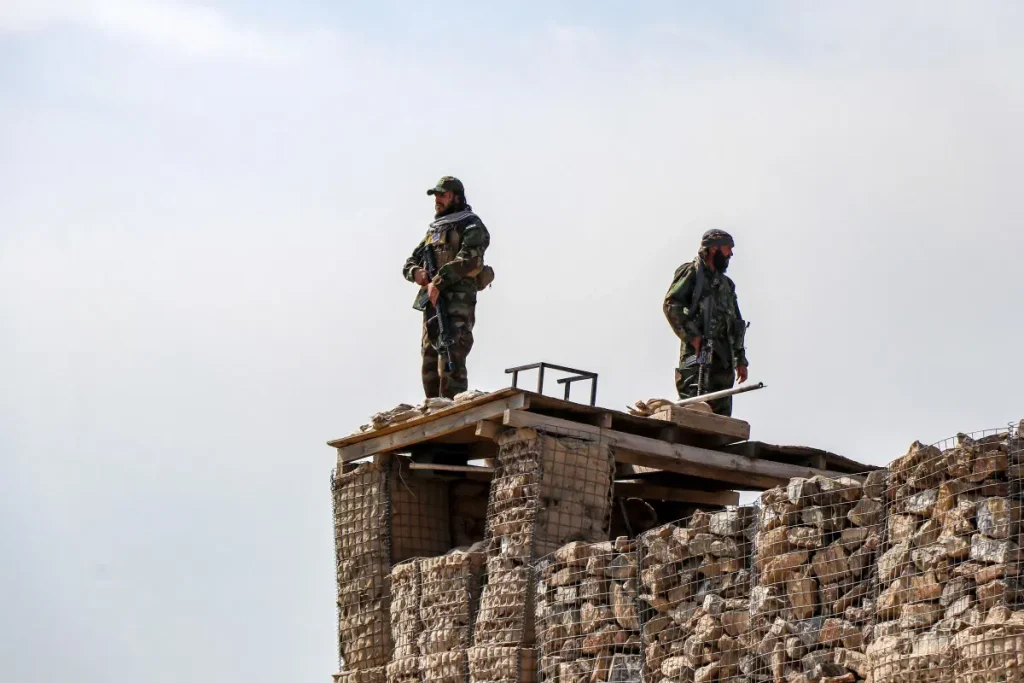
The strikes came after Afghan forces reportedly attacked Pakistani border troops on Thursday night, in retaliation for earlier air raids by Islamabad. Fighting also intensified near the Torkham border crossing, where shelling was heard and a refugee camp was struck during the violence.
Eyewitnesses described scenes of panic as civilians fled. “Children, women, and old people were running,” said a returnee at a camp near the border.
Rising Casualties, Civilian Impact
Afghan authorities confirmed the airstrikes but said no deaths were recorded in Kabul. However, clashes along the border reportedly left several Afghan soldiers dead and injured civilians at displacement camps.
The Afghan government, led by Taliban authorities, accused Pakistan of repeated violations and announced retaliatory “large-scale offensive operations.”
Root of the Conflict
Relations between the two neighbours have deteriorated sharply in recent months, driven by mutual accusations over cross-border militancy. Islamabad has repeatedly blamed Afghanistan for harbouring fighters from Tehreek-e-Taliban Pakistan (TTP), responsible for a surge in attacks داخل Pakistan—claims the Taliban government denies.
A fragile ceasefire brokered with the help of Qatar and Turkey had collapsed after repeated violations, despite further mediation attempts by Saudi Arabia.
Global Concerns Grow
Regional powers, including Iran and China, have called for restraint and offered to mediate, warning that continued escalation could destabilise the wider region.
Security analysts say the latest strikes mark a dangerous turning point. Experts note that Pakistan appears to have expanded its targets beyond militant groups to include Taliban-controlled areas.
Months of Violence and Failed Diplomacy
The latest escalation follows months of deadly clashes along the border, which have already claimed dozens of lives. Both countries have also been hit by a wave of militant attacks, including bombings linked to extremist groups such as ISIS-K.
Meanwhile, misinformation surrounding the conflict has begun circulating online, with old war footage falsely shared as current events—highlighting the growing information warfare dimension of the crisis.
Uncertain Path Ahead
With both sides exchanging military strikes and diplomatic efforts failing to yield lasting peace, fears are mounting that the conflict could spiral into a prolonged regional confrontation.
The situation remains fluid as both governments continue military operations while international actors push for urgent dialogue.