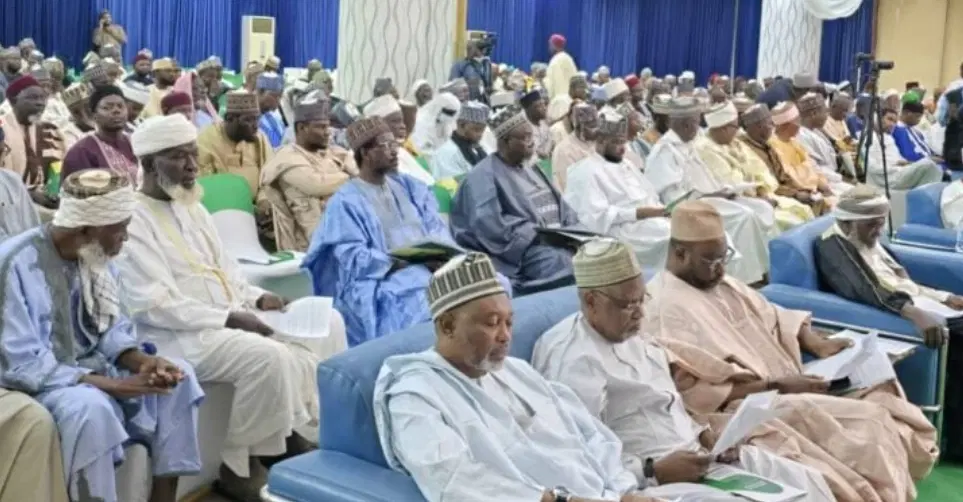
ABUJA — The Supreme Council for Shariah in Nigeria (SCSN) has firmly rejected calls by United States lawmakers to end the practice of Sharia law in Nigeria, describing the move as misinformed and a violation of the country’s sovereignty.
Sharia law operates alongside statutory and customary legal systems in Nigeria, particularly across 12 northern states where it has been in place since 1999 as part of civil and criminal jurisprudence for Muslim communities.
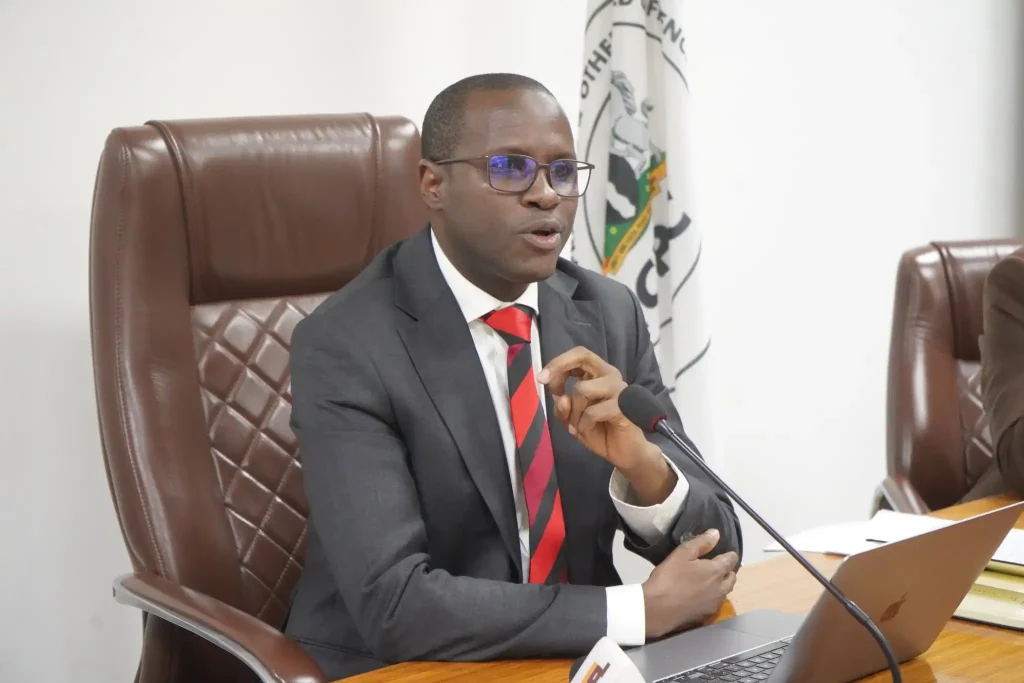
In a statement issued on Wednesday, the Secretary-General of the council, Nafiu Ahmad, stressed that Sharia represents a complete way of life for Muslims and cannot be abandoned due to external pressure.
“No power or authority can compel Muslims to relinquish the practice of Sharia in response to misinformation, political intimidation, or foreign influence,” the council stated.
Constitutional Backing, Not External Interference
The council maintained that Sharia practice in Nigeria is constitutionally protected, noting that the nation’s laws guarantee freedom of religion and allow citizens to regulate personal and family matters in accordance with their beliefs.
It warned that attempts to interfere with the country’s legal and religious framework undermine Nigeria’s pluralistic identity and legal independence.
Rejects ‘Religious Persecution’ Narrative
Addressing concerns raised abroad about alleged religious persecution, the SCSN dismissed claims of a “Christian genocide” in Nigeria, arguing that such narratives distort the country’s complex security challenges.
According to the council, violence in Nigeria stems largely from terrorism, banditry, organised crime, and governance issues affecting both Muslims and Christians.
“Framing Nigeria’s security situation as religious persecution is inaccurate and unhelpful,” the statement added.
Call for Respect of Nigeria’s Legal Diversity
The Islamic body concluded by urging international actors to respect Nigeria’s multi-religious structure and its dual legal system, insisting that external pressure on Sharia practice is both unwarranted and counterproductive.
The development highlights ongoing tensions between domestic legal traditions and international scrutiny over religious and human rights issues in Nigeria.