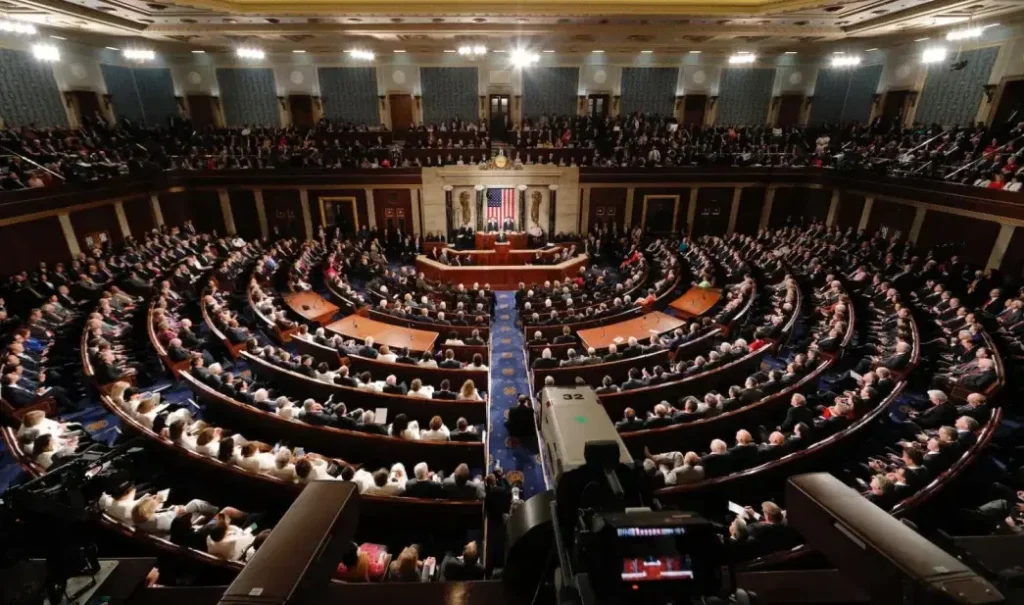
Lawmakers in the United States Congress have proposed a raft of measures aimed at addressing alleged persecution of Christians in Nigeria, urging stronger institutions, targeted sanctions, and deeper bilateral cooperation between both nations.
The recommendations followed months of investigations initiated under former U.S. President Donald Trump, who mandated a congressional panel to examine reports of religious violence in Nigeria. The findings were submitted to the White House, prompting renewed calls for decisive action.
Visa bans, sanctions top recommendations
U.S. lawmakers urged the administration to formally designate Nigeria under the “Country of Particular Concern” (CPC) directive, a move that would enable visa bans, asset freezes, and other sanctions against individuals accused of perpetrating violence against Christians.
They also called for the continuation of existing visa restrictions and the public identification of alleged offenders, arguing that accountability is critical to curbing religious violence.
Calls for legal and structural reforms
The report recommended sweeping institutional reforms, including improved policing, strengthened anti-money laundering systems, and comprehensive legal changes. Lawmakers further advocated for the repeal of Sharia and blasphemy laws in parts of northern Nigeria, claiming such laws have been used to suppress dissent and target minority groups.
In addition, the Congress urged the U.S. government to pressure armed groups, including Fulani militias, to disarm—suggesting economic leverage such as restricting beef exports to countries like Ghana, South Africa, and Senegal.
Security, defence, and foreign influence concerns
To address broader security threats, lawmakers proposed enhanced counter-terrorism cooperation, disruption of terrorist financing networks, and support for local self-defence initiatives for vulnerable farming communities.
They also recommended that Nigeria shift away from Russian military equipment in favour of U.S. defence systems, while countering what they described as destabilising foreign influence, particularly from China.
Aid review and international collaboration
The Congress further called for a Government Accountability Office (GAO) audit of U.S. aid to Nigeria to ensure transparency and effectiveness. It also suggested withholding certain U.S. funds until measurable progress is made in reducing violence.
Lawmakers urged collaboration with international partners, including France, Hungary, and the United Kingdom, to address the crisis and strengthen regional security.
Nigeria rejects persecution claims
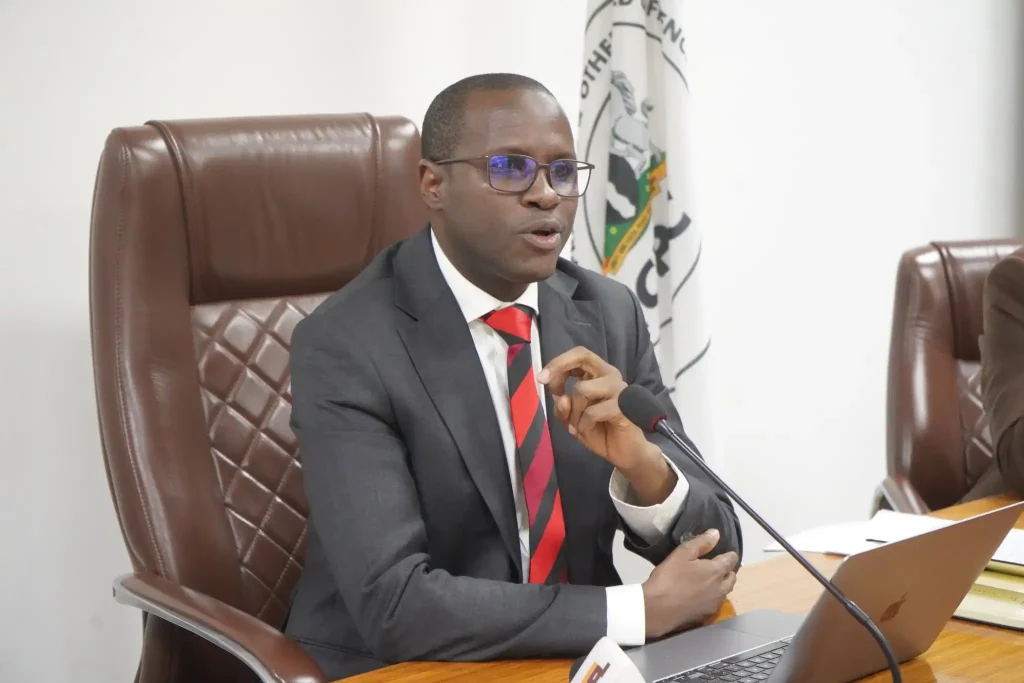
In a swift response, the Federal Government of Nigeria denied any policy of religious persecution. Minister of Information and National Orientation, Mohammed Idris, stated that Nigeria’s security challenges stem from terrorism, banditry, and communal conflicts—not religious bias.
He reaffirmed that Nigeria’s constitution guarantees freedom of religion and equal protection under the law, while highlighting ongoing military operations, improved intelligence sharing, and expanded security deployments to tackle violence across the country.
The government also pointed to increased investments in security infrastructure, humanitarian support for internally displaced persons, and peacebuilding initiatives aimed at restoring stability in affected regions.
CAN warns against external pressure
The Christian Association of Nigeria (CAN) cautioned that international calls to repeal Sharia and blasphemy laws could heighten religious tensions and destabilise the country.
The group instead advocated for a comprehensive, people-driven constitutional reform that reflects Nigeria’s complex religious and ethnic diversity, warning that sensitive issues must be handled with care to avoid further division.
A delicate diplomatic moment
The developments signal a potentially sensitive phase in U.S.–Nigeria relations, as both countries navigate security concerns, religious sensitivities, and geopolitical interests.
While U.S. lawmakers push for tougher measures and accountability, Nigerian authorities maintain that the situation requires nuanced engagement, cooperation, and respect for the country’s constitutional framework.