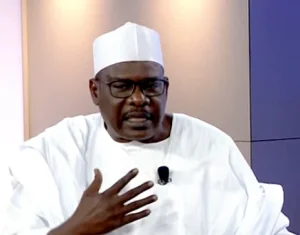
Nigerian lawmakers have expressed sharply contrasting views over a call by Senator Ali Ndume for the deployment of United States troops to support Nigeria’s fight against insurgency and banditry in the North-East.
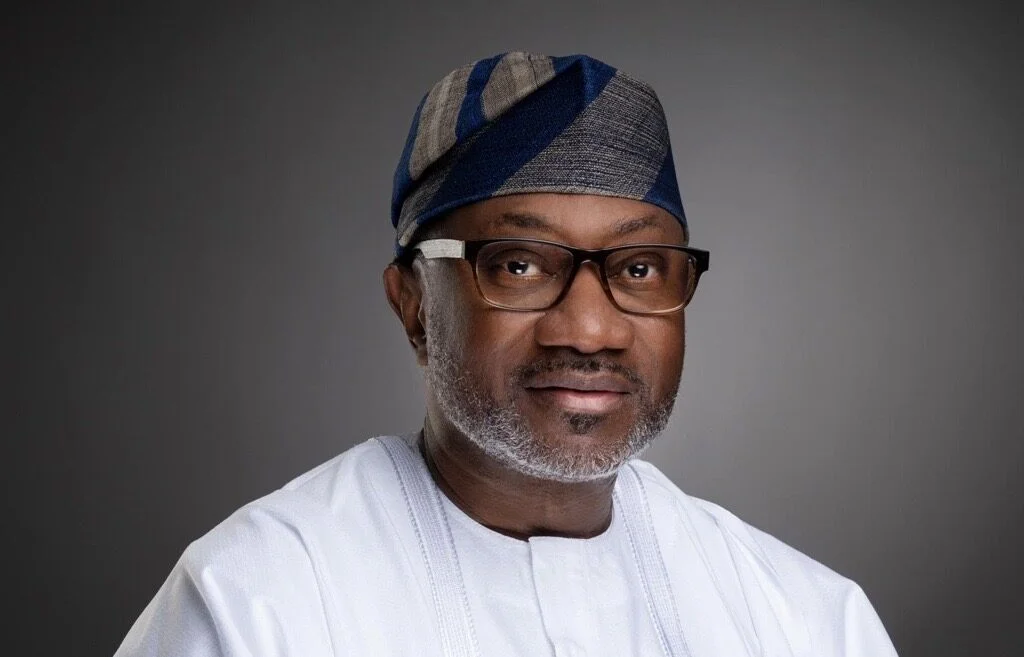
Ndume, who represents Borno South, made the call during an appearance on Channels Television’s Politics Today, arguing that US military support could help bridge critical gaps in intelligence, technology and logistics needed to defeat terrorist groups.
“The fact that the Americans are now helping us fight insurgency is a welcome development,” Ndume said, adding that Nigeria had long sought such assistance. “Our major setback has been lack of certain resources, and now America has agreed to provide those resources free of charge.”
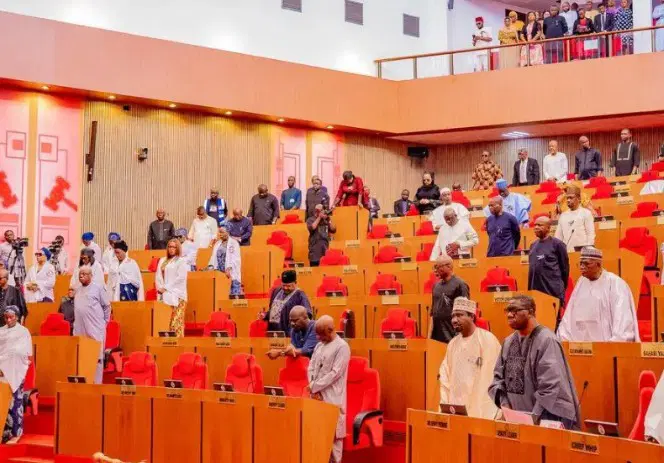
However, the proposal has sparked debate within the House of Representatives.
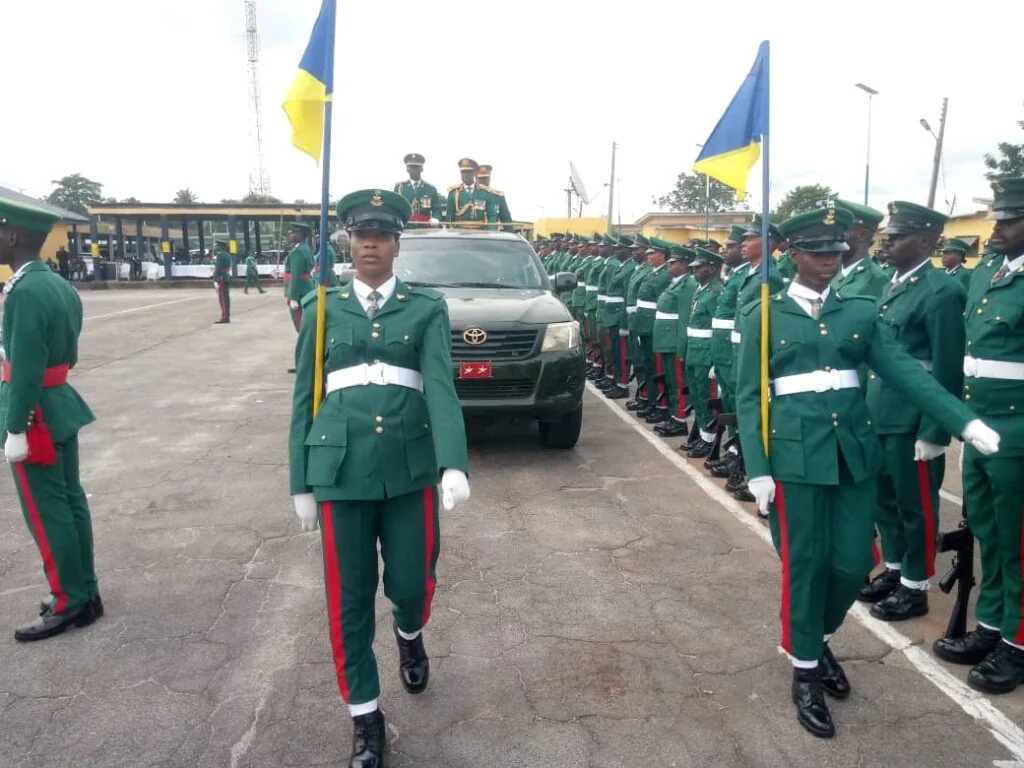
Chairman of the House Committee on Defence, Babajimi Benson, said the focus should be on the role and capabilities of foreign troops rather than their numbers. He noted that the reported presence of about 200 US personnel in Nigeria is aimed at training and providing technological support to enhance the capacity of the Armed Forces.
“If there is a clear capacity gap to fill, then it should be addressed. If not, there is no need for additional forces,” Benson said, warning against dismissing external support while insecurity persists.
In contrast, Chairman of the House Committee on Air Force, Alhassan Rurum, rejected the idea of foreign troop deployment, insisting that Nigeria’s military is capable of handling the security crisis if properly funded and equipped.
“I’m not in support of American troops in Nigeria. Our Armed Forces can defeat terrorism independently with adequate resources,” Rurum said.
Beyond the National Assembly, the debate has drawn reactions from regional and civic groups. The Middle Belt Forum backed Ndume’s proposal, urging that any US involvement be guided by strong intelligence and professionalism, while cautioning against internal security compromises.
Meanwhile, the Arewa Consultative Forum said it was yet to take a definitive position, citing the need for clarity on the scope, legality and constitutional implications of any foreign military presence.
As insecurity continues to claim lives and displace communities, analysts say the controversy underscores broader questions about sovereignty, capacity-building and the extent to which Nigeria should rely on international partnerships to address its security challenges.