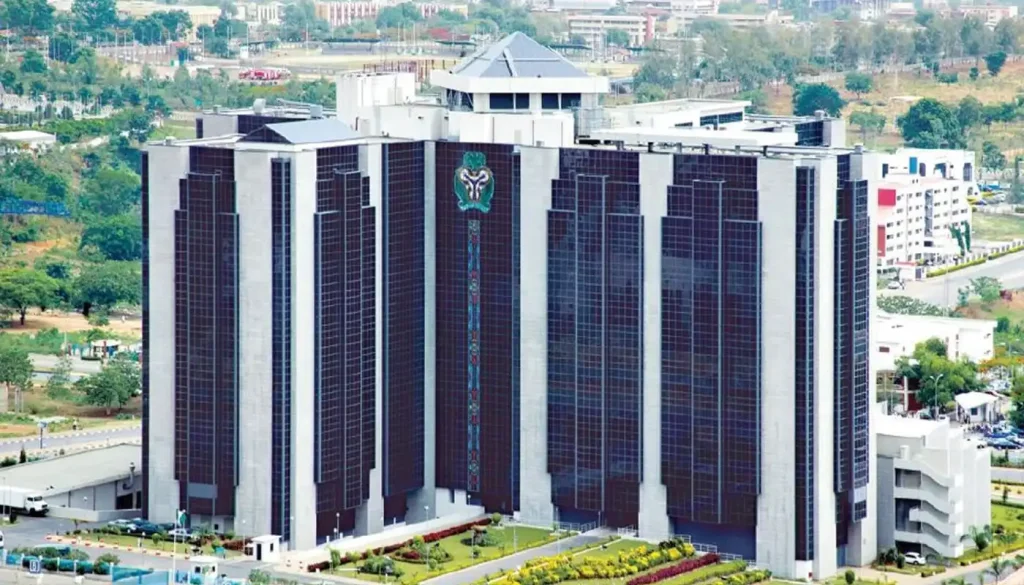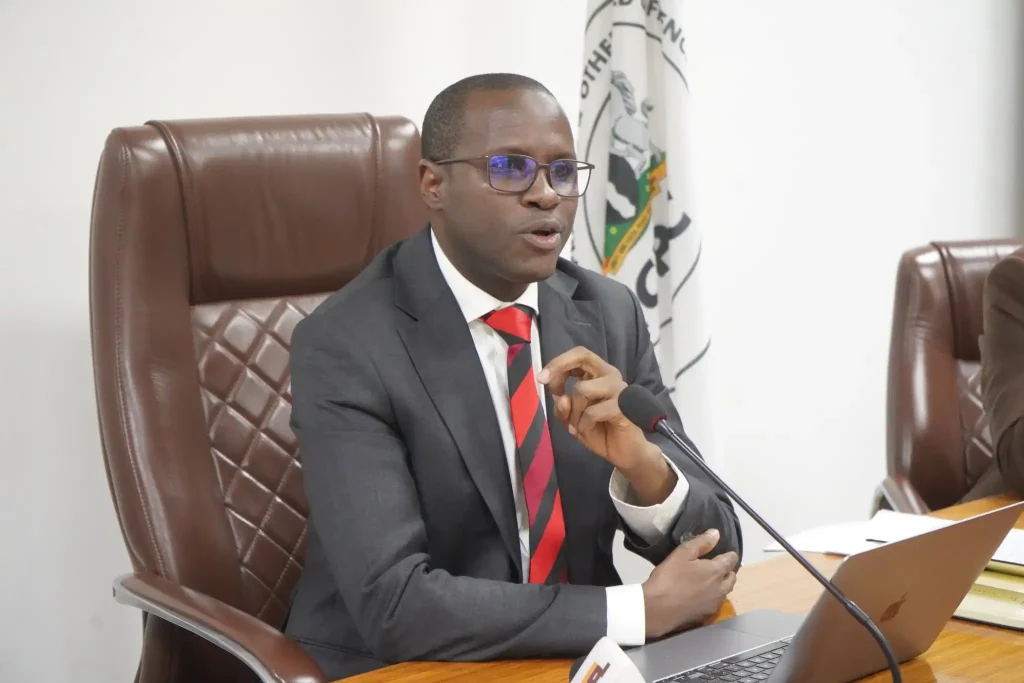

Lagos — The Nigeria Police Force has declared Nigeria’s banking industry a strategic national security asset, with the Inspector-General of Police, Kayode Egbetokun, ordering an immediate, intelligence-driven offensive against cybercriminal networks, insider collaborators, and transnational financial crime syndicates.
Egbetokun announced the directive at a strategic meeting with the Chartered Institute of Bankers of Nigeria (CIBN) and the Body of Bank Chief Executive Officers in Lagos, saying the police were shifting from reactive policing to proactive disruption of organised criminal enterprises targeting financial institutions.
“The Nigerian banking industry is not merely a driver of economic activity; it is a core component of our national stability architecture,” the IGP said. “The integrity and resilience of the financial system directly affect public confidence, investor perception, and the credibility of our economic governance.”
Shift in Security Model
In a major policy shift, Egbetokun disclosed that regular police officers will no longer be deployed for routine cash-in-transit escorts or non-essential private-sector VIP duties. He explained that the move aligns with national policy and manpower optimisation, as the Force restructures conventional banking-sector protection.
“This adjustment is not meant to weaken banking security,” he said. “It reflects a deliberate transition to a more sustainable, professional, and institutionally governed model.”
Cyber Threats Take Centre Stage
While acknowledging traditional risks such as armed robbery, the IGP warned that they have been eclipsed by complex, technology-driven threats—including cyber-enabled fraud, identity theft, insider facilitation, organised financial crime, and illicit financial flows—often coordinated across borders.
He noted that disruptions to banking operations now carry international reputational consequences, referencing global compliance benchmarks set by the Financial Action Task Force (FATF) and Anti-Money Laundering/Combating the Financing of Terrorism (AML/CFT) obligations.
“In an era of heightened scrutiny of financial flows, enforcement capacity is directly linked to investor confidence and market stability,” Egbetokun said.
Faster Reporting, Tighter Coordination
The police chief stressed the urgency of real-time integration between banks and law enforcement, warning that delayed incident reporting can undermine investigations. Rapid escalation, evidence preservation, and coordinated responses, he said, significantly improve disruption, recovery, and prosecution outcomes.
He disclosed intensified covert operations against kidnapping rings, illegal arms networks, and organised criminal groups threatening commercial stability, adding that coordination has been strengthened with the Economic and Financial Crimes Commission (EFCC), the Nigeria Financial Intelligence Unit (NFIU), and the Central Bank of Nigeria (CBN) to close enforcement and compliance gaps.
“Sustainable security cannot be achieved through episodic contact,” he said, calling for structured liaison mechanisms, clear protocols for high-risk areas, joint capacity building, and lawful information-sharing.
Industry Calls for Evolution
Chairman of the Body of Bank Chief Executive Officers, Oliver Alawuba, praised recent police efforts and recalled the banking sector’s support following the EndSARS protests, including the renovation of more than 42 police stations. “We responded with urgency when police infrastructure was damaged,” he said. “We expect the same urgency as our systems face a digital siege.”
CIBN President, Pius Olarenwaju, warned that cyberattacks now outpace traditional law-enforcement responses. “Our enemy no longer carries guns; they carry laptops,” he said, noting that rapid digitalisation has expanded both financial inclusion and the attack surface for cybercriminals operating beyond Nigeria’s jurisdiction.
The meeting concluded with a commitment to deeper collaboration, positioning the police as a strategic partner in safeguarding the integrity, stability, and international credibility of Nigeria’s financial system.