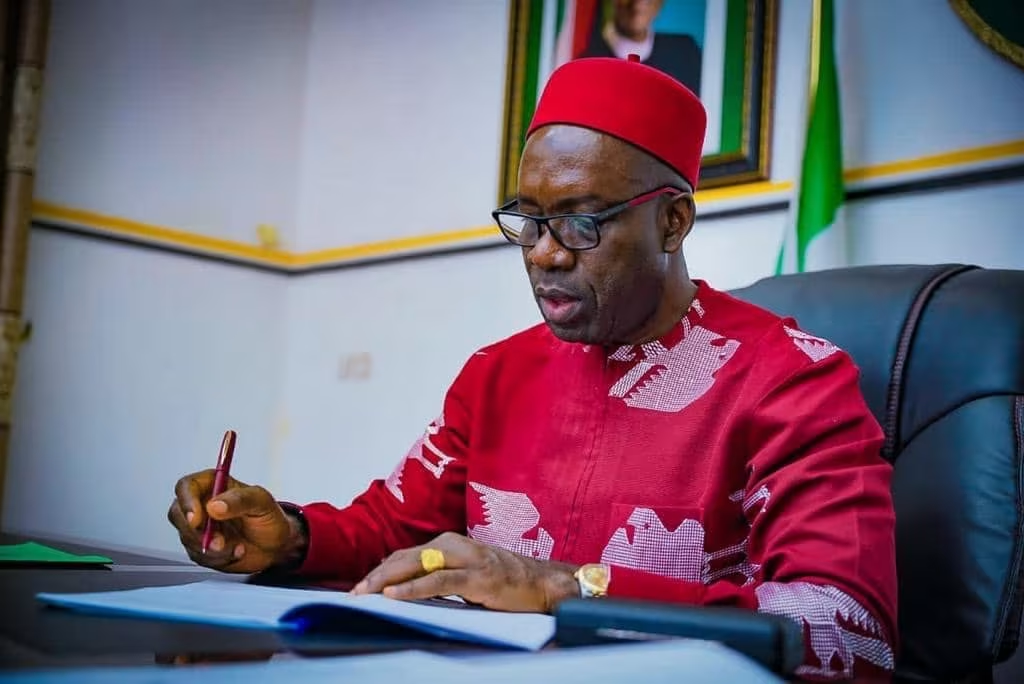
Anambra State Governor, Prof. Chukwuma Charles Soludo, has described the renewed Monday sit-at-home observed by some traders as a calculated move to undermine economic stability in the state.
Addressing journalists during a press briefing at the Light House in Awka, the governor alleged that the development is being driven by political actors intent on disrupting commercial activities in Anambra and the wider South East.
According to Soludo, the consistent shutdown of major markets every Monday is far from accidental. He said the pattern reflects a coordinated strategy by what he termed “enemies of the state and the South East,� stressing that such actions amount to economic sabotage and would not be tolerated under his administration.
The governor confirmed that the one-week closure earlier imposed on the Onitsha Main Market remains in force, warning that the sanction could be extended by an additional two weeks if traders fail to resume operations on Mondays once the current penalty period lapses.
Soludo also brushed aside threats by traders to challenge the closure in court, insisting that the state government is acting within its legal rights. He explained that the Onitsha Main Market is owned by the Anambra State Government, which retains the authority to regulate its operations in the interest of public safety and order.
“If the situation demands it, the government can revoke shop ownership rights, compensate affected parties, and take over the market for overriding public interest,� the governor stated.
Questioning the rationale behind the renewed sit-at-home, Soludo noted that the market functioned without disruption during the Christmas and New Year festivities. He recalled that commercial activities thrived on Mondays—and even Sundays—during that period, with no significant security challenges recorded.
Also Read:Â Boko Haram Ambush Leaves Lieutenant Colonel, Six Soldiers Dead in Borno
The governor’s comments underscore his administration’s resolve to resist actions perceived as harmful to economic growth and public order in the state.