The Independent National Electoral Commission (INEC) has cautioned Nigerians against trading their votes for cash ahead of the 2027 general elections, stressing that such actions have long-term consequences for the nation’s leadership and development.
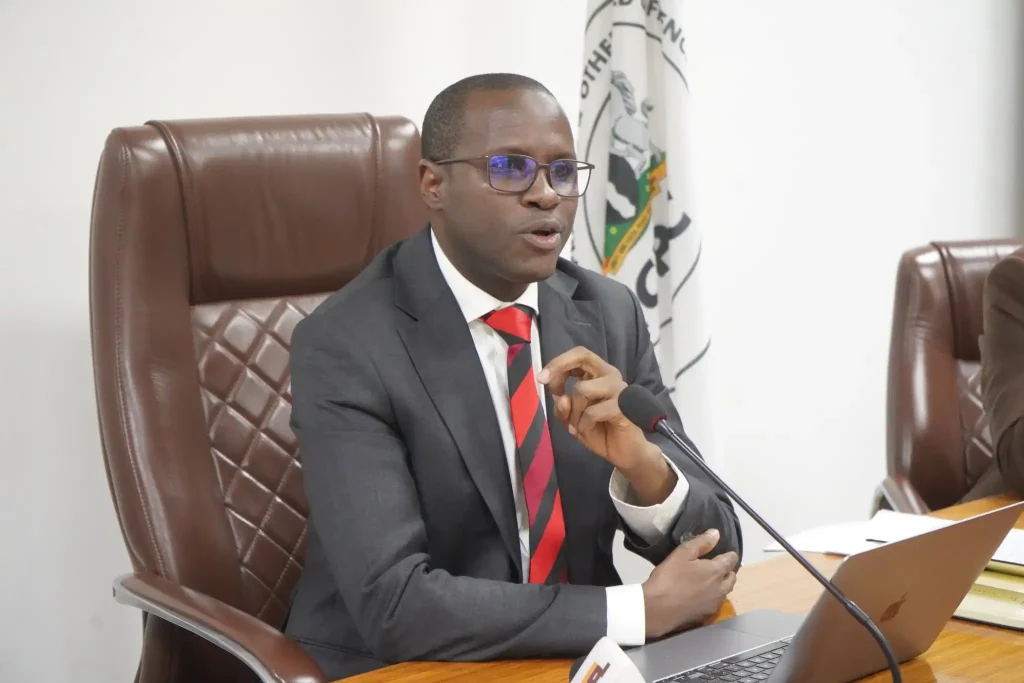
Speaking on Friday during an interview on Arise Television’s Morning Show, INEC’s Director of Voter Education, Victoria Eta-Messi, challenged the rationale behind vote-buying, describing it as a poor bargain that sacrifices four years of governance for a one-time payment of ₦20,000.
Eta-Messi noted that while the country is currently grappling with economic hardship, INEC is not responsible for citizens’ economic realities. Instead, she said the direction of the nation largely depends on the choices voters make during elections.
According to her, difficult economic conditions should push Nigerians to become more intentional and proactive about their political decisions, rather than surrendering their votes for short-term financial relief. She urged citizens to channel their frustration into choosing leaders who can genuinely address their needs and improve governance.
INEC, she added, remains committed to sustained voter education and sensitisation campaigns aimed at discouraging vote-buying and reinforcing the value of each vote ahead of the 2027 polls.
“We always ask people during our sensitisation programmes: what is the alternative?” Eta-Messi said. “You collect ₦20,000 today, and that decision determines your future for the next four years. We appeal to their conscience, reminding them that this country belongs to all of us and that progress depends on the choices we make.”
She described the belief that a small cash inducement can solve long-term personal or national problems as unfortunate, but insisted that INEC would continue to amplify its message until voters fully grasp the power they hold.
Also Read: US Condemns Abduction of 160 Church Worshippers in Kaduna
“The economic hardship is affecting everyone,” she said. “That should be enough reason for Nigerians to be angry in the right way and take charge of their future by deciding who is best suited to lead them for the next four years.”