The Federal Government of Nigeria and the Academic Staff Union of Universities (ASUU) have reached a landmark agreement following weeks of intense negotiations over the longstanding 2009 framework. The agreement was officially signed on Wednesday at the Tertiary Education Trust Fund (TETFund) Conference Hall in Maitama, Abuja.
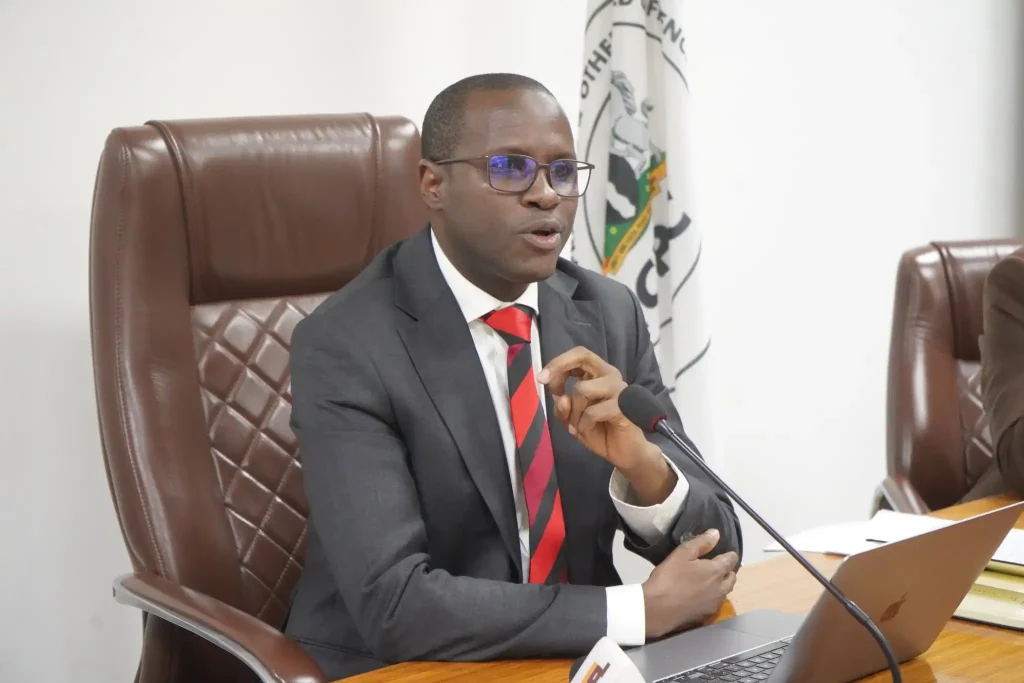
The ceremony was attended by key government officials, including the Minister of Education, Dr. Maruf Alausa, the Minister of State for Education, Prof. Suwaiba Ahmad, and ASUU President, Prof. Chris Piwuna. Dignitaries hailed the signing as a pivotal moment for Nigeria’s tertiary education sector.
According to Dr. Alausa, the agreement marks a decisive step toward ending the decades-long cycle of disruptions caused by lecturers’ strikes in federal universities. He praised President Bola Tinubu for his political will in tackling the challenges facing the country’s university system.
“This is more than just a document; it represents renewed trust, restored confidence, and a turning point in Nigeria’s tertiary education history,” Alausa said. “For the first time, a sitting President has confronted this challenge directly, giving it the leadership attention it deserves.”
Prof. Chris Piwuna expressed cautious optimism that the government would honor the agreement, stressing the need for implementation without the threat of industrial action.
“We hope this agreement will be fully implemented without ASUU having to issue strike threats. While history makes us wary, we believe Dr. Alausa’s leadership will be different, and both parties remain committed to open dialogue,” Piwuna stated.
A key feature of the new deal is a 40% increase in academic staff salaries, approved by the National Salaries, Incomes, and Wages Commission (NSIWC), effective from January 1, 2026.
The revised pay structure includes the Consolidated University Academic Staff Salary (CONUASS) and an enhanced Consolidated Academic Tools Allowance (CATA), which will support research, conference participation, professional memberships, internet access, and book development—critical tools to boost academic competitiveness and reduce brain drain.
The agreement also introduces a clear framework for nine Earned Academic Allowances, linked directly to academic responsibilities such as postgraduate supervision, fieldwork, clinical duties, examinations, and leadership roles.
Additionally, a Professorial Cadre Allowance was approved, granting full-time Professors N1.74 million annually (N140,000 monthly) and Readers N840,000 annually (N70,000 monthly) in recognition of their academic and administrative contributions.
Also Read: Kano Govt Suspends Doctors Who Forgot Scissors Inside Patient’s Stomach
Observers describe the agreement as a historic breakthrough that could redefine the landscape of higher education in Nigeria, promising stability, improved remuneration, and renewed confidence in the country’s universities.