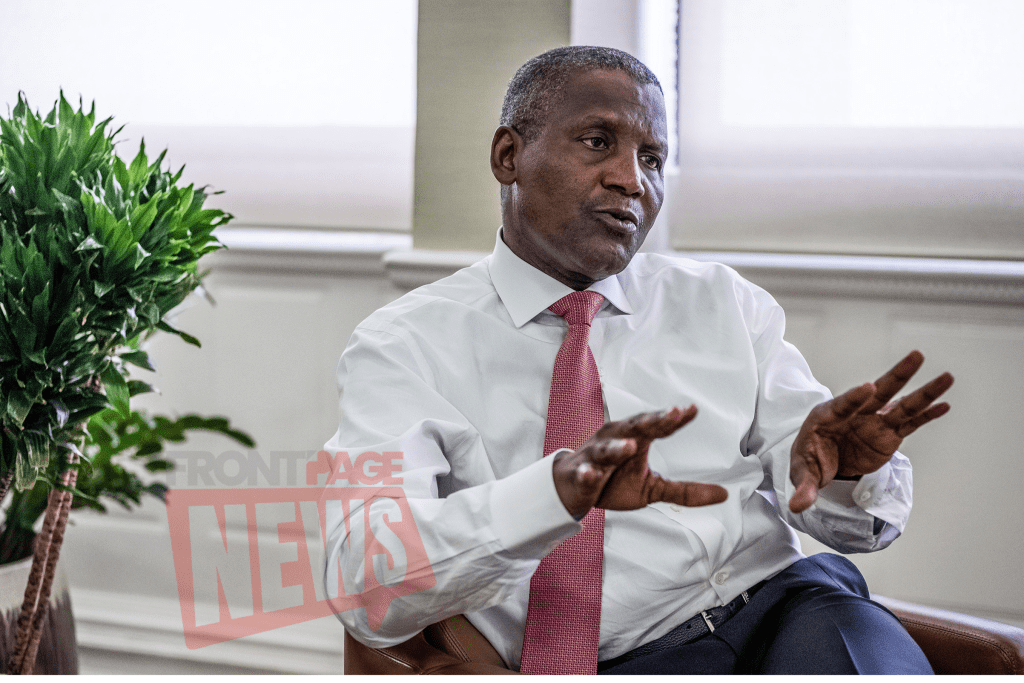
Africa’s wealthiest individual and Chairman of the Dangote Group, Aliko Dangote, has expressed strong doubts about the viability of Nigeria’s refining sector, stating that the country’s current business climate is discouraging enough to scare off any serious investor.
Speaking at a media briefing in Lagos on Sunday, Dangote argued that Nigeria’s downstream oil industry is weighed down by regulatory and operational challenges that make it unattractive, even if the Nigerian National Petroleum Company (NNPC) Limited were to put its refineries on the market.
According to the billionaire industrialist, the problem goes beyond pricing or ownership, pointing instead to an unfriendly investment environment that offers little incentive for private capital. He maintained that under existing conditions, the prospect of finding buyers for the government-owned refineries is unrealistic.
Dangote criticised past policy decisions in the oil and gas sector, singling out the administration of former President Muhammadu Buhari for what he described as a critical misstep. He said the decision to assign regulatory oversight to individuals with trading backgrounds created a conflict that undermined effective regulation.
In his view, a regulator must be independent and neutral, not a market participant. Dangote warned that blurring those roles distorted the sector, weakened investor confidence and contributed to the current challenges facing Nigeria’s energy industry.
He further noted that the consequences of these policy errors extend beyond the oil sector, arguing that Nigeria as a whole is paying the price through reduced investment inflows and stalled industrial growth.
Also Read: Tonto Dikeh Opens Up on Deliverance From Anger, Smoking and Addiction
Nigeria currently operates three state-owned refineries located in Port Harcourt, Warri and Kaduna, with a combined installed capacity of about 445,000 barrels per day. However, years of underperformance and repeated shutdowns have continued to raise questions about their economic viability.